The Importance of Hydration in Pet Nutrition
The Role of Water in Pet Health
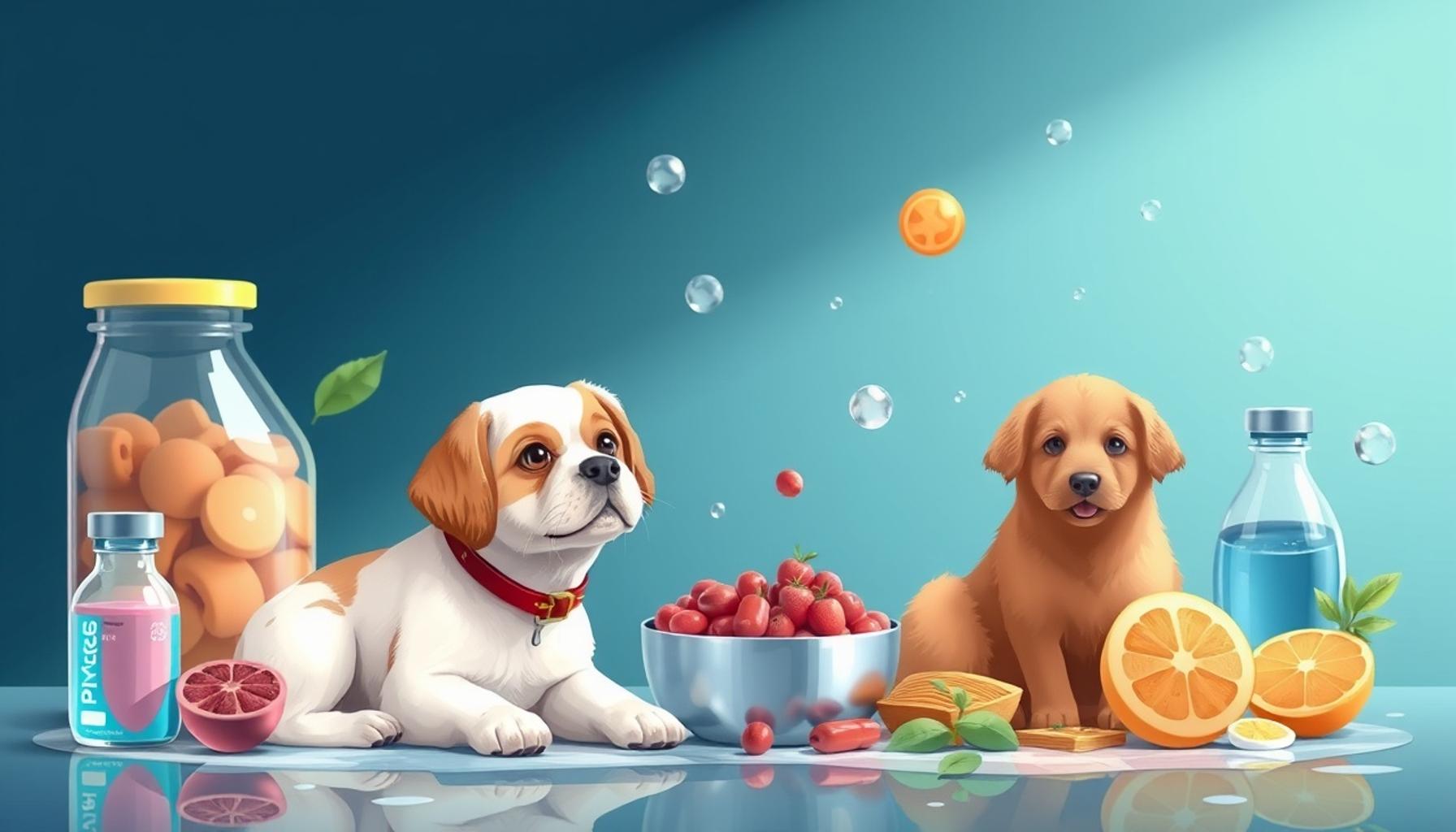
Many pet owners prioritize balanced diets for their furry companions, yet one critical component often goes overlooked: hydration. Just like humans, pets require adequate water intake to maintain optimal health. Understanding the significance of hydration can lead to healthier, happier lives for our pets.
Why Hydration Matters
Water plays a pivotal role in the nutrition of pets by:
- Supporting Digestion: Proper hydration is essential for the digestive process. Water aids in the breakdown of food, allowing nutrients to be absorbed effectively in the intestines. This is particularly crucial for pets on dry kibble diets, as they may require more water intake to ensure their digestive systems function properly.
- Regulating Body Temperature: Just as in humans, adequate hydration helps keep pets cool, especially in hot weather or during vigorous exercise. Dogs, for instance, can overheat quickly during summer months, and their primary method of thermoregulation is through panting, which is reliant on adequate hydration levels.
- Preventing Health Issues: Proper hydration significantly reduces the risk of serious health issues such as urinary tract infections and kidney stones, which can lead to painful complications. For example, felines are particularly prone to urinary issues if their water intake is insufficient. Some pet owners might consider wet food as a viable alternative to increase their pet’s moisture intake.
Understanding Water Needs
The daily water requirement for pets varies based on size, activity level, and environmental conditions. A general guideline is that dogs should drink about one ounce of water per pound of body weight daily. For instance, a 50-pound dog would need approximately 50 ounces of water each day. Cats, being more sensitive to hydration levels, may need around 5-10 ounces of water daily, but this can also be supplemented with wet cat food.
The Signs of Dehydration
Recognizing the signs of dehydration is essential for pet owners. Common symptoms include:
- Dry gums and nose: Checking your pet’s gums can provide insight into their hydration status. Healthy gums should be moist and slick; if they appear dry or sticky, it may indicate dehydration.
- Lethargy and sluggishness: An usually energetic pet that seems less lively may be suffering from dehydration, as water is crucial for maintaining energy levels and overall vitality.
- Loss of appetite: A decrease in food intake can be a signal that your pet is not feeling well, and dehydration can often be a contributing factor.
By being vigilant about your pet’s hydration, you can help avert serious health complications. It’s crucial to provide access to fresh water and monitor their intake regularly. Innovative solutions, such as pet water fountains, can encourage pets to drink more by making water more appealing. This knowledge will not only enhance your pet’s quality of life but also deepen your bond with them through proactive care and attention. Therefore, make hydration a priority in your pet care routine, and consult your veterinarian if you notice signs of dehydration or have concerns about your pet’s water intake.
DIVE DEEPER: Click here to discover why socialization matters for your dog’s mental health
Hydration: A Key Player in Pet Nutrition
When it comes to keeping our pets healthy, hydration should be at the forefront of pet nutrition. Many pet owners are unaware that water is as crucial for their pets as food. Dehydration can lead to serious health issues, and yet, it often goes unnoticed until it becomes critical. Understanding the water needs of pets not only helps to prevent health problems but also enhances their overall well-being.
The Science of Hydration
Water is involved in nearly every function of the body. It serves as a medium for biochemical reactions, aids in the transportation of nutrients, and assists in waste elimination through urination and defecation. In fact, up to 60% of a pet’s body weight is made up of water. This significant percentage emphasizes the need for regular fluid intake, especially given that pets lose water through breathing, urination, and even perspiration.
Moreover, various factors can influence a pet’s hydration levels. Environmental aspects, such as hot weather, increase the need for water as pets can easily become overheated. Similarly, pets that engage in higher levels of physical activity will require more fluids to replace the water lost during exercise. Understanding your pet’s specific hydration requirements is essential for maintaining their health.
Hydration Strategies for Your Pet
To ensure your pet is getting enough water, consider these effective strategies:
- Set a Regular Schedule: Just like feeding, setting a routine for water intake can promote better habits. Encourage your pet to drink water at consistent times throughout the day.
- Use Multiple Bowls: Place several water bowls around the house, particularly in areas where pets spend a lot of time. This reduces the effort needed for them to access fresh water.
- Monitor Daily Intake: Keep track of how much water your pet drinks daily. Any significant changes in their drinking habits could indicate a health concern.
- Enticing Freshness: Pets can be picky about water. Regularly clean their water bowls and offer fresh water throughout the day. Some pets respond well to cool, filtered water or a water fountain, which can encourage them to drink more.
Additionally, it’s important to recognize the role of wet food in your pet’s hydration strategy. Cats, in particular, might not drink enough water on their own, but feeding them high-moisture diets can significantly contribute to their hydration needs.
By employing these hydration strategies, pet owners can help mitigate risks associated with dehydration while enhancing their pet’s overall health. Remember, keeping your furry friend well-hydrated is a continuous commitment, vital for their happiness and longevity.
| Category | Description |
|---|---|
| Water Intake | Regular hydration is essential for preventing dehydration in pets, which can lead to serious health issues. |
| Digestive Health | Adequate water levels aid in digestion, nutrient absorption, and the prevention of urinary tract infections. |
In the realm of pet nutrition, the significance of hydration cannot be overstated. Every pet owner should recognize that adequate water consumption is crucial for maintaining optimal health. Just like humans, animals require water to regulate body temperature, facilitate metabolic functions and ensure proper cellular activities.Moreover, hydration positively influences the mobility and energy levels of pets. Pets that are well-hydrated tend to exhibit better stamina during play and exercise, making hydration an essential part of their overall well-being. Additionally, it’s crucial to note that not all pets exhibit a desire to drink enough water. Therefore, providing fresh and clean water frequently and considering hydration-boosting food options can enhance their water intake, ensuring they receive the essential moisture needed for their physiological processes. Educating yourself about the importance of hydration can profoundly impact your pet’s quality of life. Would your pet benefit from water-rich foods or flavored water to encourage drinking? Exploring these solutions may lead to a healthier and more active pet.
DISCOVER MORE: Click here to learn about the importance of a balanced diet
Recognizing the Signs of Dehydration
Understanding dehydration is crucial for every pet owner. Animals, like humans, can show subtle signs when they’re becoming dehydrated. Some indicators include dry mouth, lethargy, reduced appetite, and concentrated urine. A common test to evaluate your pet’s hydration level involves gently pulling back the skin on their back. In a well-hydrated pet, the skin will quickly bounce back to its original position. If the skin remains elevated, this can signal dehydration. Additionally, if your pet’s gums appear dry or sticky, it is essential to provide water and consult your veterinarian.
The Role of Age and Size
A pet’s age and size directly influence their hydration needs. Puppies and kittens have higher water requirements due to their rapid growth, while larger breeds tend to need more water than smaller ones. Senior pets often experience decreased thirst drive, so they may need encouragement to drink regularly. For instance, a large breed dog may need around 1 ounce of water per pound of body weight per day, while a smaller dog may require less proportionally. A personalized hydration strategy, adapting to their size and life stage, helps maintain optimal health.
Seasonal Factors and Hydration Needs
Seasonal changes significantly impact pets’ hydration needs. During the sweltering summer months, pets can quickly suffer from heat stress, which can lead to dehydration. Taking your dog for a long walk or allowing your cat to bask in the sun for extended periods can increase their water loss. It’s even more crucial to monitor water intake during these hot days. In such conditions, consider providing ice cubes in their water bowl or offering an occasional cold treat to entice them into drinking more. Conversely, during winter, pets might drink less water as they typically prefer warmer environments, so pet owners should encourage fluid intake by ensuring their water doesn’t freeze and remains accessible.
Hydration and Exercise: Stay Proactive
For active pets, hydration becomes even more pivotal. Regular exercise increases the amount of water lost through panting, and it’s essential to replenish those fluids afterward. If you take your furry friend on a hike or partake in vigorous play sessions, aim to offer water breaks. Portable water bottles and collapsible dishes have become popular among pet owners, making it easier to keep them hydrated while on the go. Consider allowing your pet to drink small amounts of water before, during, and after exercise to replace lost fluids adequately.
Hydration and Overall Health
Hydration plays a vital role in more than just fluid balance; it directly contributes to digestion, nutrient absorption, and even the efficacy of treatments when pets fall ill. It’s important to recognize that adequate hydration can also aid in maintaining healthy kidneys, which are crucial for eliminating waste products from the body. For dogs and cats, water is not just a basic necessity but an integral part of a comprehensive nutrition plan. Providing your pets with ample access to clean, fresh water, possibly supplemented by moisture-rich foods, can profoundly influence their health and vitality.
DIVE DEEPER: Click here to learn more
Conclusion
In summary, understanding hydration is an essential aspect of pet care that cannot be overlooked. Ensuring your pets are well-hydrated plays a pivotal role in their overall health, growth, and well-being. The signs of dehydration, including lethargy and dry gums, should act as critical indicators for pet owners to take immediate action. Tailoring hydration strategies according to your pet’s age, size, and activity level can significantly enhance their life quality.
Moreover, recognizing how seasonal changes affect hydration needs equips you with the knowledge to take proactive measures, ensuring your pet receives adequate fluids year-round. With the increasing prevalence of pet obesity and the corresponding risks to health, understanding the importance of hydration during exercise is even more significant. Fresh, clean water should always be available, supplemented with moisture-rich foods when possible.
Ultimately, prioritizing hydration not only supports digestion and kidney health but also enhances your pets’ vitality and longevity. As a responsible pet owner, taking critical steps to monitor and promote hydration will pay dividends, keeping your furry companions not just alive but thriving. Embedding hydration into your routine will lead to a happier, healthier pet, encouraging you to stay informed and engaged. Remember, in the world of pet nutrition, every drop counts. Delve deeper into this topic and discover ways to make hydration an integral part of your pet’s wellness journey.

Linda Carter
Linda Carter is a writer and pet care specialist passionate about animal health, behavior, and well-being. With extensive experience helping pet owners make informed decisions, Linda shares practical advice on nutrition, daily care, training, and creating a safe, loving environment. Her goal is to provide clear guidance, useful tips, and accessible information that help readers better understand their pets and give them happier, healthier lives.