Menu

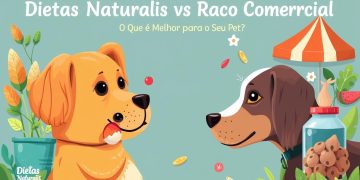
Natural Diets vs Commercial Pet Food Which is Best for Your Pet

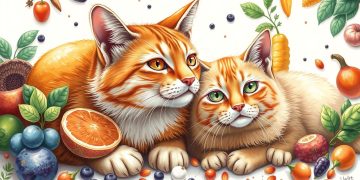
Explore the pros and cons of natural diets versus commercial pet food to determine what's best for your pet. Learn how fresh ingredients can enhance your pet's health, the convenience of commercial options, and the importance of personalized nutrition tailored to your pet's specific needs and lifestyle.

The Essential Nutrients for Dogs Cats Importance in Their Diet

The article emphasizes the importance of a balanced diet for pets, highlighting essential nutrients that support dog and cat health. It discusses proteins, fats, carbohydrates, vitamins, and minerals as vital components for energy, growth, and overall well-being, offering insights into how proper nutrition can enhance the life quality of furry companions.

Exploring the Benefits of Raw Diets for Dogs and Cats

Raw diets for dogs and cats offer numerous health benefits, including improved digestion, enhanced coat quality, and increased energy levels. By mirroring their ancestral eating habits, these diets promote overall well-being. However, transitioning requires careful planning and consultation with a veterinarian to ensure nutritional balance and safety.

Decoding Pet Food Labels: What Ingredients Really Mean

Navigating pet food labels can be overwhelming, but understanding key ingredients and nutritional breakdowns is essential for your pet's health. This guide empowers pet owners to make informed choices, ensuring optimal nutrition that supports their furry companions' well-being and longevity. Choose wisely for a happy, healthy pet.

Understanding Nutritional Requirements for Senior Cats

As cats age, their nutritional requirements evolve significantly. It’s essential to provide senior cats with a tailored diet rich in high-quality proteins, adequate hydration, and specific vitamins to enhance overall health. Addressing unique needs helps manage weight, supports joint health, and improves their quality of life in their golden years.

The Effects of Feeding Schedule on Pet Digestion and Health

A structured feeding schedule is crucial for enhancing pet digestion and overall health. Consistent meal times, appropriate portion sizes, and optimal timing can prevent obesity, improve digestion, and stabilize energy levels. By personalizing these factors to individual pets, owners can foster happier, healthier companions.

The Importance of Hydration in Pet Nutrition

Hydration is essential in pet nutrition, impacting digestion, temperature regulation, and overall health. Proper water intake prevents serious issues like urinary infections, enhancing vitality and well-being. Pet owners must monitor hydration needs, recognize dehydration signs, and encourage fluid consumption for optimal pet health. Prioritizing hydration leads to happier, healthier pets.

The Influence of Breed-Specific Diets on Pet Longevity and Quality of Life

Proper nutrition plays a crucial role in enhancing pet longevity and quality of life. Breed-specific diets address unique dietary needs, helping to manage health risks and improve overall well-being. Tailored nutrition not only supports healthy aging but also fosters stronger bonds between pets and their owners, promoting happier lives.

The Role of Supplements in Pet Nutrition

As pet owners prioritize their pets' health, understanding the role of supplements in pet nutrition is crucial. Supplements can fill dietary gaps, support specific health conditions, and enhance overall wellbeing. Engaging with veterinarians and choosing high-quality products ensures optimal benefits for your furry companions.

Understanding the Nutritional Needs of Exotic Pets

Exotic pets have unique nutritional needs that differ significantly from traditional pets. Understanding these specific dietary requirements is crucial for their health and well-being. Owners must research proper diets tailored to each species, ensuring a balanced intake of fruits, vegetables, and specialized nutrition while avoiding common feeding mistakes.