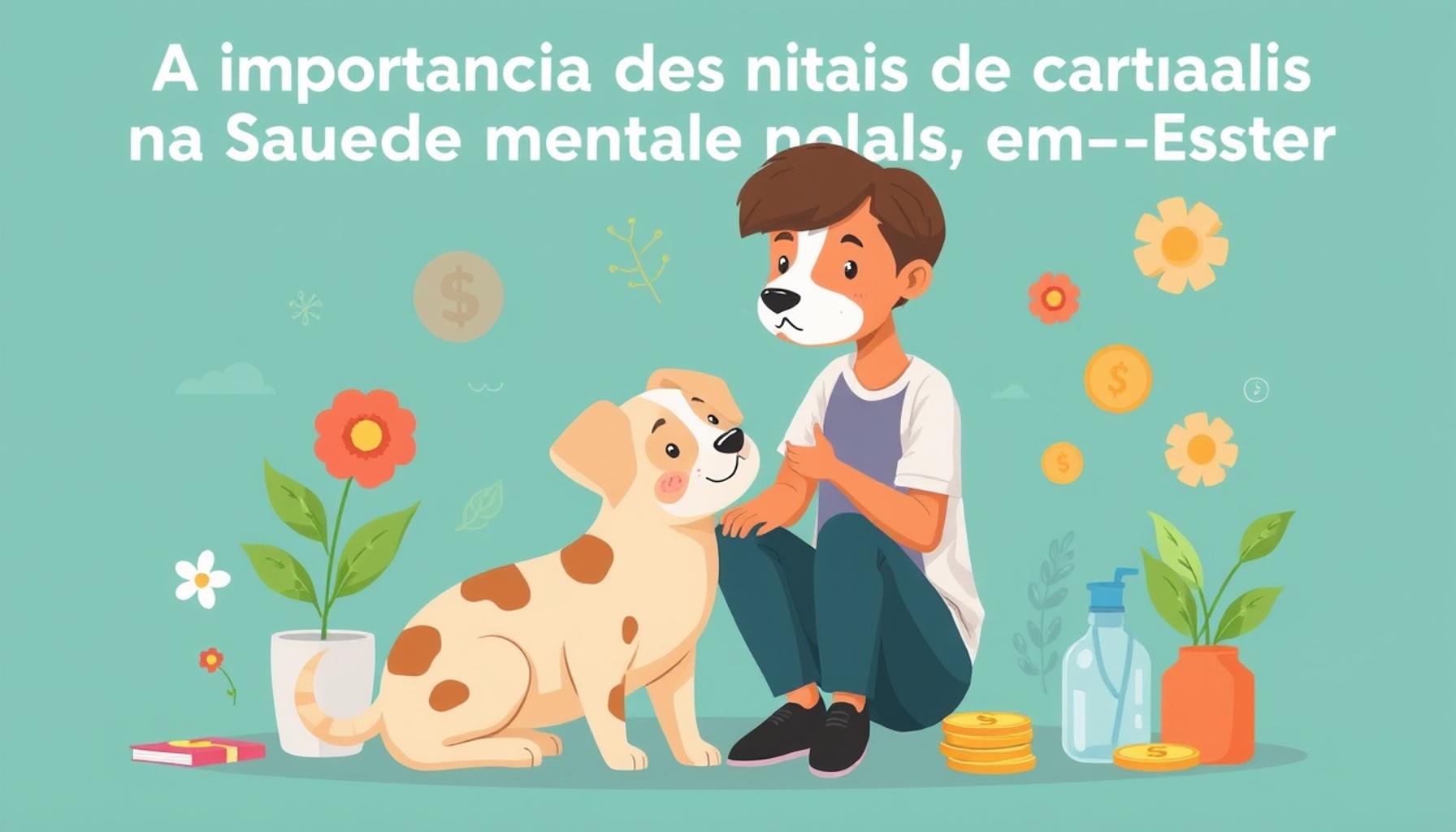
The Effects of Pets on Reducing Stress and Anxiety
The Healing Power of Pets
In an age where modern life is often characterized by relentless schedules and mounting responsibilities, the effects of stress and anxiety have reached epidemic proportions. According to the American Psychological Association, nearly 70% of adults report feeling stress daily, with a substantial number attributing it to work and financial pressures. Amidst this backdrop, many are turning toward an unexpected source of comfort: their pets. Research has increasingly highlighted how animals play a crucial role in enhancing our mental well-being, offering a host of psychological and physiological benefits.
The Role of Companionship
At the core of the bond between humans and animals is the unique companionship that pets offer. Pets are more than just animals; they are loyal companions who provide unconditional love. This deep emotional connection can significantly reduce feelings of loneliness. For instance, a survey from the Human Animal Bond Research Institute found that 74% of pet owners reported that their pets made them feel less lonely. The simple act of cuddling with a pet can evoke feelings of safety and connection, creating an emotional buffer against anxiety.
Physical Activity and Its Benefits
Moreover, the presence of a pet often prompts owners to engage in physical activities, such as daily walks or playtime in the park. According to the Centers for Disease Control and Prevention, regular physical activity can reduce depression and anxiety, which is precisely what pet owners experience. For example, individuals who own dogs are particularly encouraged to be active, as they require daily walks, leading to a healthier lifestyle overall. This increase in physical activity releases endorphins—known as the body’s natural “feel-good” hormones—further helping to combat stress.
Embracing Mindfulness
The act of caring for a pet also fosters a sense of mindfulness. Pets live in the moment, which can serve as a reminder for us to do the same. Feeding, grooming, and playing with pets encourage us to focus on the present, momentarily forgetting our worries. This shift in focus can be incredibly therapeutic as it allows individuals to disconnect from daily stressors. Therapy animals, for instance, are employed in various settings to help patients practice mindfulness, providing immediate emotional relief in hospitals and nursing homes.
Biochemical Benefits
Scientific investigations support the emotional benefits of pet ownership, revealing measurable biochemical changes in our bodies. Interactions with pets have been shown to lower cortisol levels—the hormone associated with stress—while simultaneously boosting serotonin, a neurotransmitter that helps enhance mood. This biochemical response not only aids in alleviating anxiety but also helps foster overall emotional stability.
As we continue to explore the dynamics of human-animal relationships, it becomes increasingly evident that the joy and comfort pets bring can be transformative. Numerous personal stories illustrate how the loving presence of a pet can reshape our emotional landscapes, providing solace in times of need. Whether it’s a dog that waits by the door or a cat that curls up on your lap during a long day, the companionship of pets offers a practical and profound avenue for enhancing mental well-being.
In conclusion, the journey towards alleviating stress and anxiety through pet ownership is one worth exploring. With compelling evidence emerging from studies and heartwarming anecdotes from pet owners across the United States, the impact of our furry friends on mental health cannot be underestimated. Delve deeper into this topic to discover how the healing power of pets might just be what you need to foster a greater sense of peace and well-being in your life.
LEARN MORE: Click here to discover more
Understanding the Emotional Benefits of Pet Ownership
The relationship between humans and pets extends well beyond mere ownership; it manifests in a deep emotional connection that often acts as a shield against the trials of daily life. As our society increasingly recognizes the effects of pets on reducing stress and anxiety, the spotlight shines on how these furry companions enrich our emotional landscapes. The recognition of pets as emotional support animals—formally recognized in various therapeutic settings—underscores their crucial role in mitigating psychological distress.
Conditioning Response and Attachment
Research indicates that the presence of pets can elicit complex emotional responses that promote attachment and security. Many pet owners describe feelings of joy and comfort that stem from simple, routine interactions with their animals. According to a study published in the journal Psychological Science, participants who engaged with animals exhibited lower heart rates and blood pressure—physiological indicators of stress relief. The ability of a pet to offer emotional stability can be particularly significant for individuals struggling with anxiety disorders, ensuring they have a consistent source of support.
- Unconditional Love: Pets provide companionship that is free from judgment, fostering a supportive environment for emotional expression.
- Non-Verbal Communication: Animals do not rely on complex language, which can relieve pressure and create a sense of ease in interactions.
- Routine and Structure: Caring for a pet establishes a daily routine, which can impart a sense of purpose and normalcy amid chaotic schedules.
Social Connections Through Pets
The positive effects of pet ownership often extend beyond the immediate relationship between human and animal. Pets can act as social facilitators, leading to increased interactions with others. Frequently, dog owners find themselves more engaged within their communities, often striking up conversations during walks or visits to dog parks. This social engagement can be instrumental in combating feelings of isolation and loneliness, which are common triggers for anxiety. Studies suggest that 60% of pet owners report feeling a stronger bond with their community, attributing this sense of belonging directly to their pets.
Therapeutic Sessions and Animal-Assisted Therapy
In the realm of mental health, the rise of animal-assisted therapy reflects a growing recognition of how pets can aid professionals in therapeutic settings. Certified therapy animals work alongside mental health practitioners to assist patients in overcoming a variety of psychological hurdles. These interactions can reduce anxiety during therapy sessions, allowing patients to engage more openly and honestly. Moreover, research demonstrates that being in the presence of therapy animals can lower anxiety levels, leading to more effective treatment outcomes.
Overall, the benefits of pet ownership illuminate the profound influence that animals can have on our mental health and emotional well-being. Those who choose to welcome a pet into their lives often find themselves supported in ways they had not anticipated. As evidence mounts regarding the effects of pets on reducing stress and anxiety, it is clear that they may just be the companion that many are seeking in difficult times. Seeking solace in the companionship of animals opens a door to healing and connection that can play a vital role in overcoming daily challenges.
The Therapeutic Benefits of Pets
In today’s fast-paced world, stress and anxiety have become prevalent issues for many individuals. Numerous studies have indicated that the companionship of pets can serve as a natural form of therapy. According to research by the American Psychological Association, interacting with pets can significantly reduce levels of cortisol, a stress hormone, while simultaneously increasing serotonin and dopamine levels, neurotransmitters linked to feelings of well-being.
Emotional Support and Connection
Pets can provide an invaluable source of emotional support. Their unconditional love and loyalty create a strong bond that can alleviate feelings of loneliness and depression. For many, the simple act of petting a dog or cat can produce calming effects, fostering feelings of safety and comfort. Furthermore, having a pet encourages routine and responsibility, which can also contribute to enhanced mental health stability.
Social Interaction
Owning a pet often opens doors to new social interactions. Pets are natural icebreakers, facilitating conversations among strangers, which can lead to new friendships and social networks. This increased sense of community and belonging can be a vital aspect of mental well-being, combating isolation and enhancing overall life satisfaction.
Creating a Personalized Environment
Ultimately, the effects of pets on reducing stress and anxiety can vary from one individual to another. It is crucial to create a personalized environment that suits both the pet’s and the owner’s needs. Factors such as breed, activity level, and temperament should all be considered when choosing a pet, ensuring that they align with one’s lifestyle and emotional requirements.
| Advantage Category | Key Features |
|---|---|
| Companionship | Pets provide emotional support, reducing feelings of loneliness. |
| Routine and Responsibility | Caring for a pet encourages a structured daily routine, promoting mental stability. |
The therapeutic value of pet ownership cannot be overlooked. Exploring the connection between pets and mental health opens up avenues for further research and understanding. Strategies to incorporate pets into stress management and anxiety relief practices have the potential to improve the quality of life for many individuals.
LEARN MORE: Click here for insights on feeding schedules
Pets as a Natural Stress Relief Mechanism
Many studies highlight the biological and psychological responses that occur when we interact with pets, showcasing how these animals serve as a natural antidote to stress and anxiety. When we pet or cuddle our furry friends, our bodies release oxytocin, commonly known as the “love hormone.” This hormone not only enhances feelings of attachment but also reduces levels of cortisol, a primary stress hormone, leading to a tranquil state of mind. This interplay of hormones illustrates why pet ownership can be particularly beneficial for individuals coping with high-stress environments, whether at work or home.
The Role of Pets in Daily Stressors
In today’s fast-paced world, chronic stress has become a common affliction, affecting millions. Pets often serve as a buffer against the pressures of modern life. For instance, studies indicate that simply spending ten minutes playing with a pet can significantly enhance mood and lower stress levels. In a survey conducted by the American Psychological Association, about 94% of pet owners agreed that their pets serve as a source of comfort during challenging times, pointing to the importance of animal companionship in managing daily stressors.
- Mindfulness and Presence: Engaging with pets encourages mindfulness by grounding individuals in the present moment. The playful antics of dogs or the gentle purring of cats draw attention away from worries and promote relaxation.
- Physical Activity: Pets, especially dogs, necessitate daily walks or playtime, inadvertently promoting physical activity. Regular exercise is linked to lower levels of anxiety and improved mental health.
- Routine Maintenance: The responsibilities associated with pet care help individuals establish a predictable routine, which can be particularly calming for those experiencing anxiety.
Emotional Intelligence and Empathy Building
Pet ownership can also enhance emotional intelligence and empathy, traits that play crucial roles in managing anxiety. Owning a pet requires individuals to be in tune with their animal’s feelings and needs, potentially translating these skills into human interactions. Children raised in homes with pets often exhibit higher levels of empathy and social skills, which can reduce stress in social situations. A study by the Journal of the American Veterinary Medical Association found that children with pets showed significantly less emotional distress in stressful situations, emphasizing the calming influence pets can have on a developing mind.
Community and Support Networks Created Through Pets
The social networks built around pet ownership extend beyond immediate family and friends. Community pet events, training classes, and breed meet-ups foster connections amongst pet owners, creating supportive environments for shared experiences. These interactions can provide pet owners with additional emotional support, further alleviating stress and anxiety during difficult times. A significant 94% of respondents in a study by PetSmart Charities reported that their pets helped them meet new friends, thereby expanding their social circles and enhancing feelings of belonging.
As research continues to shed light on the effects of pets on reducing stress and anxiety, it is evident that these loving companions possess remarkable abilities to alleviate emotional burdens. The profound impact of pets on our mental well-being underscores their importance not just as animals, but as integral members of our families and communities.
LEARN MORE: Click here to discover the benefits of positive reinforcement in dog training
Conclusion: Embracing the Power of Pets for Mental Wellness
In conclusion, the effects of pets on reducing stress and anxiety are profound and multifaceted. From fostering emotional connections through the release of oxytocin to encouraging physical activity, pets play an invaluable role in enhancing our mental health. Numerous studies confirm that pet ownership not only provides comfort but also serves as a critical support system, particularly in times of distress. Engaging with our furry companions allows us to practice mindfulness, fostering a greater appreciation for the present moment, while the responsibilities of pet care contribute to a structured, calming routine.
Moreover, the social networks formed through pet ownership expand our interactions, enabling us to connect with like-minded individuals and build supportive communities. The therapeutic benefits pets offer are particularly significant in a world where chronic stress can pervade daily life. As we embrace the companionship of animals, we also unlock valuable lessons in empathy and emotional intelligence, growing both as individuals and as a society.
As further research emerges, it becomes increasingly clear that integrating pets into our lives is not merely a personal choice but a powerful strategy for managing mental health. Those contemplating pet ownership should consider the wealth of psychological benefits that accompany this commitment. In a society grappling with anxiety and stress, pets stand as beacons of hope and healing, reminding us of the simple yet profound joys of life and companionship.

Linda Carter
Linda Carter is a writer and pet care specialist passionate about animal health, behavior, and well-being. With extensive experience helping pet owners make informed decisions, Linda shares practical advice on nutrition, daily care, training, and creating a safe, loving environment. Her goal is to provide clear guidance, useful tips, and accessible information that help readers better understand their pets and give them happier, healthier lives.