Animal Nutrition: The Crucial Role of Veterinarians in Healthy Pet Feeding
Understanding the Essence of Animal Nutrition
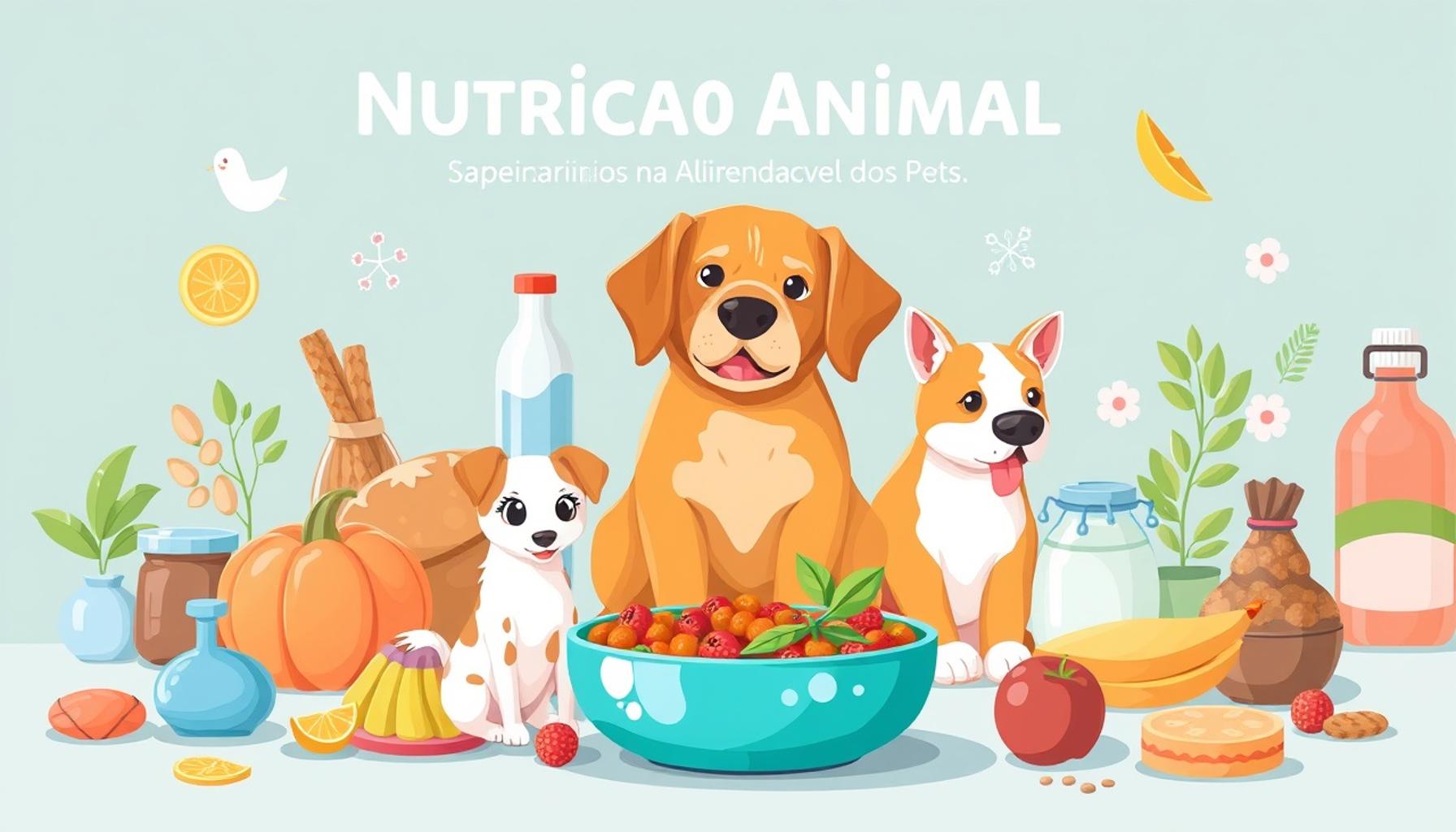
In the dynamic landscape of pet care, nutrition is often overshadowed by other aspects such as grooming or training. However, it remains a fundamental pillar central to the health and well-being of our furry companions. As pet ownership continues to surge, the growing awareness of proper animal nutrition has made veterinarians pivotal in guiding pet owners towards informed feeding choices. They possess the knowledge to unravel the complexities of dietary needs for different species and breeds, which is crucial in ensuring our pets lead happy, healthy lives.
What Makes Veterinarians Essential?
- Expert Knowledge: Veterinarians are trained professionals with an extensive understanding of the specific dietary requirements for animals based on factors like age, weight, breed, and existing health conditions. For instance, a growing puppy requires a diet rich in protein and fats to support its rapid growth compared to an older dog that may need a different balance to maintain a healthy weight.
- Personalized Advice: Every pet is unique, which is why veterinarians provide tailored nutritional guidance that considers each pet’s lifestyle and medical history. For example, a cat with kidney disease may require a restricted protein diet, whereas an active Labrador Retriever may benefit from a high-energy diet to sustain its activity levels.
- Latest Research: Veterinarians keep abreast of the latest findings, trends, and innovations in animal nutrition, ensuring pets receive nutrients from the best possible sources. With evolving studies on the benefits of grain-free diets or the pros and cons of raw feeding, having a veterinarian’s insight can steer pet owners toward safe and effective choices.
The Impact of Veterinary Guidance
Proper guidance from veterinarians can significantly impact the longevity and quality of life for pets. When pet owners are equipped with the right nutritional knowledge, they can make informed decisions that lead to:
- Improved overall health: A well-balanced diet tailored to an animal’s specific needs can prevent a myriad of health issues. For example, diets enriched with omega fatty acids can enhance skin health and reduce allergies in dogs.
- Enhanced energy levels: Choosing the right food can boost a pet’s energy, making them more active and playful. Dogs with increased energy levels can enjoy longer walks, while cats may demonstrate more playfulness and engagement.
- Stronger immune systems: A diet packed with the necessary vitamins and minerals fortifies pets against illnesses. Foods high in antioxidants, for instance, can help strengthen a pet’s immune response, resulting in fewer trips to the vet.
As discussions surrounding pet feeding continue to evolve, it becomes increasingly evident that our veterinarians are the unsung heroes in the journey toward optimal animal nutrition. By fostering a better understanding of pet diets among owners, veterinarians not only enhance the quality of life for pets but can also enrich the bond between pets and their human companions. Ultimately, informed nutrition decisions can lead to healthier, happier pets and more joyful households.
DIVE DEEPER: Click here to learn more about training exotic animals
The Foundation of a Healthy Diet for Pets
Pet owners often believe that choosing food for their pets is as simple as picking a product from the store shelf. However, animal nutrition is an intricate science that is essential for ensuring the health and longevity of pets. Veterinarians play a vital role in providing the necessary knowledge and support to help pet owners navigate the complexities of their pets’ dietary needs. Understanding the significance of proper nutrition can set the foundation for a pet’s overall well-being.
The Elements of Nutritional Science
To grasp the importance of veterinary input in animal nutrition, it’s important to understand the fundamental components that make up a balanced diet. Here are several critical aspects of nutrition that veterinarians consider when assessing pet diets:
- Macronutrients: Proteins, fats, and carbohydrates are essential macronutrients that provide energy and support various bodily functions. A balanced diet requires the right proportions of these nutrients, which vary according to a pet’s life stage, activity level, and health status. For instance, active dogs may require higher protein levels for muscle maintenance, whereas senior pets often benefit from lower fat content in their diets.
- Micronutrients: Vitamins and minerals play crucial roles in maintaining health. They support physiological processes, improve immunity, and promote healthy skin and coat. For example, calcium and phosphorus are vital for strong bones, while antioxidant vitamins like C and E can help ward off disease by fighting free radicals.
- Hydration: Water is an often-overlooked aspect of nutrition. Keeping pets well-hydrated is critical for overall health. Vet-recommended dietary adjustments may include encouraging water intake through wet foods, especially in pets prone to urinary tract issues.
Common Nutritional Challenges
While some pet owners may believe they have a good handle on their pet’s nutritional needs, there are common pitfalls that can lead to dietary deficiencies or imbalances. These challenges can include:
- Feeding inappropriate diets: Many pets may be fed human food or commercial diets that are not nutritionally balanced, leading to serious health concerns over time. For instance, a diet high in fatty foods can disrupt a pet’s digestion and lead to obesity.
- Neglecting age-specific needs: Puppies, adult dogs, and senior pets each have unique nutritional requirements. Failing to adapt their diets accordingly can impact growth, energy levels, and overall health.
- Overfeeding or underfeeding: Accidental overfeeding can lead to obesity, while underfeeding can result in malnutrition and its accompanying health issues. Veterinarians can help pet owners assess the right portions based on individual needs.
Through their comprehensive training, veterinarians are equipped to address these nutritional challenges, making them indispensable allies for pet owners seeking to provide optimal care. By focusing on the essential elements of nutrition and common pitfalls, pet owners can gain a clearer picture of how veterinary guidance can shape their pets’ diets and lead them towards healthier, happier lives.
When it comes to ensuring that pets receive the proper nutrition, veterinarians play a fundamental role. Their expertise not only helps in diagnosing health issues related to diet but also in formulating meal plans that cater specifically to each animal’s unique needs. With an array of pet food options available, it’s essential to discern which products truly meet the nutritional standards for different breeds, sizes, and age groups. Vets are equipped with the latest knowledge regarding animal dietary requirements, allowing them to guide pet owners in making informed decisions that promote long-term health.
Furthermore, veterinarians emphasize the importance of balanced diets that include the right proportions of proteins, fats, carbohydrates, vitamins, and minerals. A well-rounded diet can significantly impact a pet’s overall well-being, contributing to healthy weight management, optimal energy levels, and a robust immune system. This preventative measure not only extends the life of pets but also enhances their quality of life during their formative years.
As many pet owners may not be aware of the risks associated with improper feeding practices, veterinarians frequently engage in educational outreach. Workshops and seminars hosted by veterinary professionals often encompass topics such as recognizing signs of nutritional deficiencies or excesses, understanding pet food labeling, and even preparing homemade meals. This proactive approach empowers pet owners with the knowledge needed to make suitable choices for their beloved companions.
Ultimately, the collaboration between pet owners and veterinarians fosters a comprehensive perspective on animal nutrition. As advocates for pet health, veterinarians are essential partners in the quest for optimal feeding practices, ensuring that our furry friends lead happy and healthy lives.
| Veterinarian Role | Benefits of Proper Nutrition |
|---|---|
| Assessment of Nutritional Needs | Enhances overall pet health and longevity |
| Customized Dietary Recommendations | Promotes healthy growth and development in pets |
DISCOVER MORE: Click here to learn about pet adoption trends
The Veterinarian’s Expertise in Tailored Nutrition
When it comes to animal nutrition, no one possesses the expertise that veterinarians do. Their extensive training in animal health allows them to provide tailored dietary plans that address the unique needs of individual pets. This personalized approach is crucial in a landscape where one-size-fits-all diets can lead to various health problems.
Breed and Species-Specific Considerations
Different breeds and species come with their own set of nutritional requirements. For instance, large dog breeds are prone to conditions like hip dysplasia, often necessitating diets fortified with joint-supporting supplements such as glucosamine and omega-3 fatty acids. Veterinarians can guide owners of specific breeds on the ideal dietary composition to mitigate these risks, enabling pet owners to make informed choices that promote longevity and vitality.
Dietary Sensitivities and Allergies
Beyond breed considerations, many pets exhibit dietary sensitivities or allergies, which can significantly impact their health and well-being. These allergic reactions may present as skin irritations, gastrointestinal issues, or even behavioral changes. Veterinarians are adept at identifying these sensitivities and can recommend specifically formulated hypoallergenic diets. Such diets eliminate common allergens like certain proteins, grains, and additives, and introduce novel protein sources such as duck or venison, enabling pets to thrive without discomfort.
Incorporating Functional Foods
An emerging trend in animal nutrition is the incorporation of functional foods—ingredients that confer beneficial health effects beyond basic nutrition. Many veterinarians advocate for these foods, which may include probiotics for gut health or supplements rich in antioxidants to bolster the immune system. The introduction of ingredients like pumpkin for fiber can help regulate digestion, particularly in pets with chronic gastrointestinal troubles. By leveraging their medical knowledge, veterinarians aid pet owners in incorporating these specialized ingredients into their pets’ diets, enhancing health outcomes.
Recognizing the Connection Between Nutrition and Behavioral Health
Recent studies underline the link between nutrition and behavioral health in pets, a realm where veterinarians can also provide invaluable insights. Nutrition can impact mood, energy levels, and even cognitive function in pets. For example, diets fortified with DHA (docosahexaenoic acid) are believed to support brain health in aging dogs, potentially slowing cognitive decline. By understanding these complex interactions, veterinarians can offer dietary recommendations that not only promote physical health but also positively influence a pet’s overall behavior and emotional stability.
The Importance of Regular Assessments
Given that nutritional needs can change over time due to factors such as age, health conditions, or even changes in lifestyle, regular assessments by veterinarians are indispensable. Annual check-ups allow veterinarians to evaluate a pet’s body condition score, weight changes, and overall health, ensuring that their dietary regimen remains aligned with their current needs. Furthermore, veterinarians can educate pet owners on recognizing signs of nutritional deficiencies or imbalances, empowering them to seek help when necessary.
In summary, the role of veterinarians in animal nutrition extends far beyond simply recommending pet foods; they provide an intricate understanding of how diet impacts every aspect of a pet’s well-being. By collaborating with pet owners and providing evidence-based recommendations, veterinarians ensure that pets receive the nutrition they require for a healthy, vibrant life.
LEARN MORE: Click here to discover the benefits of routine exams
Conclusion: Empowering Pet Health Through Nutrition
The intricate relationship between animal nutrition and pet health is undeniable, and veterinarians stand at the forefront of this crucial intersection. With their specialized training and knowledge, these professionals are not only equipped to devise appropriate dietary plans tailored to individual pets’ needs but also to educate pet owners about the broader implications of those choices. From recognizing breed-specific dietary needs to addressing allergies and sensitivities, veterinarians offer unparalleled guidance that helps mitigate potential health risks.
The growing understanding that nutrition affects not just physical health but also behavioral well-being emphasizes the necessity of a holistic approach to pet feeding. As pets age or their lifestyles change, regular assessments become increasingly vital, allowing veterinarians to adapt dietary recommendations as needed. This evolving process fosters a deeper bond between pet owners and their animals, as they navigate the complexities of nutrition together.
As we move toward an era where healthy pet feeding is more emphasized than ever, the role of veterinarians will continue to be instrumental. Their advocacy for incorporating functional foods and understanding the nuances of dietary impacts ensures that pets enjoy not only longevity but a vibrant quality of life. Ultimately, the synergetic relationship between pet owners and veterinarians paves the way for a future where pets thrive on nutritional foundations built on expert knowledge, fostering healthier, happier lives for our beloved companions.

Linda Carter
Linda Carter is a writer and pet care specialist passionate about animal health, behavior, and well-being. With extensive experience helping pet owners make informed decisions, Linda shares practical advice on nutrition, daily care, training, and creating a safe, loving environment. Her goal is to provide clear guidance, useful tips, and accessible information that help readers better understand their pets and give them happier, healthier lives.