Natural Diets vs Commercial Pet Food Which is Best for Your Pet
Understanding Your Pet’s Nutrition
Your pet’s diet is crucial for its overall health and well-being. With the growing trend of natural diets versus the convenience of commercial pet food, many pet owners find themselves at a crossroads. Making an informed decision about what to feed your furry friend not only impacts their physical health but also influences their happiness and longevity.
The Importance of Dietary Choices
Choosing the right diet can be overwhelming, considering the vast array of options available. Here are key factors to consider:
- Health Benefits: Natural diets may provide fresher ingredients and fewer preservatives.
- Cost Considerations: Commercial food might be more affordable but can vary widely in quality.
- Suitability: Some pets have specific dietary needs that may affect the choice between natural and commercial options.
In this article, we will explore the pros and cons of each option and ultimately present our ranking of the Top 5 Pet Food Choices. By understanding the differences, you can find the best nutritional path for your beloved pet.
Top 5: Natural Diets vs. Commercial Kibble – What is Best for Your Pet?
When it comes to our beloved pets, their diet is a crucial factor in their overall health and well-being. Many pet owners often find themselves debating between two popular options: natural diets and commercial kibble. Each choice has its passionate supporters, but which is truly better for our furry friends? In this article, we will explore the top five aspects of this discussion, ranking them from the least to the most significant considerations.
5. Cost Considerations
Cost is an undeniable factor when deciding between natural diets and commercial pet food. Generally, commercial kibble tends to be more affordable and convenient. A bag of kibble can last for weeks, providing a straightforward feeding solution. It’s a particularly appealing option for budget-conscious pet owners. In contrast, natural diets can be pricier as they often require fresh, quality ingredients and can involve substantial preparation time.
However, it is important to consider the long-term health costs associated with poor nutrition in pets. The initial savings from purchasing cheaper kibble may lead to higher veterinary bills later if it compromises pet health. For example, ailments stemming from poor diets, such as obesity and skin conditions, can lead to increased expenses related to treatments and check-ups.
- Commercial Kibble: Often more economical, suitable for pet owners who prefer a practical and cost-effective solution.
- Natural Diets: Can be more expensive due to the need for fresh ingredients and preparation time, yet potentially reduce long-term health costs.
4. Nutritional Value
When comparing nutritional value, natural diets often contain fresher, whole ingredients that may provide better overall nutrition for pets. These diets encompass a variety of natural foods, such as a mix of fruits, vegetables, legumes, grains, and meats free from chemical additives and preservatives. This approach can offer a beautifully varied nutrient profile, potentially reducing the risk of overfeeding carbohydrates and underfeeding proteins.
In contrast, commercial kibble can sometimes contain fillers such as corn and soy, as well as artificial ingredients, which might not contribute favorably to your pet’s health. While some kibble brands do fortify their products with added vitamins and minerals, the quality of these is often inferior to what would be consumed naturally in a balanced diet.
- Natural Diets: Typically richer in essential fatty acids, vitamins, and minerals that pets need to thrive.
- Commercial Kibble: While convenient, it often lacks the quality of fresh ingredients, though it still meets basic nutritional guidelines and standards.
3. Digestibility and Allergies
One of the significant advantages of natural diets is their digestibility and adaptability. Many pets experience food allergies or sensitivities, which can lead to gastrointestinal issues or skin irritations. A natural diet allows pet owners to know exactly what their pets are consuming, making it easier to identify any ingredients that may cause issues. For example, some dogs and cats are sensitive to grains, and switching to a grain-free natural diet can help alleviate these issues.
Conversely, commercial kibble may contain unknown fillers and allergens, making it harder to pinpoint problems if your pet shows signs of discomfort or distress. The presence of generic animal by-products and artificial coloring can further complicate efforts to manage allergies.
- Natural Diets: Easier to tailor to pets’ individual needs, allowing better control over food allergens.
- Commercial Kibble: Offers less flexibility in choosing specific ingredients, possibly exacerbating allergies or sensitivities.
2. Convenience and Preparation Time
Convenience is a vital consideration for many pet owners, especially those with busy schedules. One of the most appealing aspects of commercial kibble is its ease of use. Simply scoop, serve, and you’re done! This level of convenience may outweigh other factors for many families, especially those juggling work and caregiving responsibilities.
On the other hand, natural diets require time and effort for preparation, as pet owners need to ensure they’re providing balanced meals that meet all nutritional requirements. This can involve preparing a mix of proteins, carbohydrates, and vegetables, often on a weekly or daily basis. While it is more labor-intensive, many pet owners find it rewarding as it allows them to ensure initial quality and freshness of the ingredients.
- Commercial Kibble: Quick and easy, requiring no preparation, making it highly appealing for those with little time to spare.
- Natural Diets: Requires planning and preparation but provides the satisfaction of knowing you are offering the best to your pet.
1. Overall Health and Longevity
The most critical consideration ultimately lies in your pet’s overall health and longevity. Numerous studies suggest that pets who are fed a balanced and nutritious natural diet tend to live longer and healthier lives than those who consume processed commercial kibble. A diet rich in the right nutrients can prevent common health problems such as obesity, heart disease, diabetes, and even certain cancers.
This doesn’t automatically negate the overall utility and success that many experience with commercial diets, as they are specifically formulated to meet the basic dietary requirements of most pets. However, there is growing recognition in veterinary nutrition that while pets seem to survive on commercial kibble, they tend to thrive on diets rich in naturally sourced, high-quality ingredients.
- Natural Diets: Linked to improved health outcomes and longevity, often reducing risks associated with chronic conditions.
- Commercial Kibble: Designed for ease and nutritional balance, but may inadvertently contribute to health complications if other factors aren’t controlled.
In conclusion, choosing between a natural diet and commercial kibble is not a decision to be taken lightly. Both have their advantages and disadvantages, and the best choice often depends on individual circumstances, including personal resources, time constraints, and the specific dietary needs of your pet. Whichever route you choose, make sure it’s a well-informed decision, and consult your veterinarian to ensure your pet receives the necessary nutrients for a healthy and happy life.
| Category | Advantages |
|---|---|
| Nutrition Customization | With natural diets, pet owners can tailor meals to meet the specific nutritional needs of their pets. This can be particularly important for pets with specific health issues or dietary restrictions. |
| Ingredient Quality | Natural diets often consist of whole, fresh ingredients that may have higher nutritional value compared to some commercial brands, which can contain fillers and preservatives. |
| Increased Palatability | Many pets find home-cooked meals more appealing than commercial kibble, which can lead to increased appetite and better overall health. |
| Environmental Impact | Choosing local and organic ingredients for a natural diet can reduce the carbon footprint compared to some mass-produced pet food, promoting environmental sustainability. |
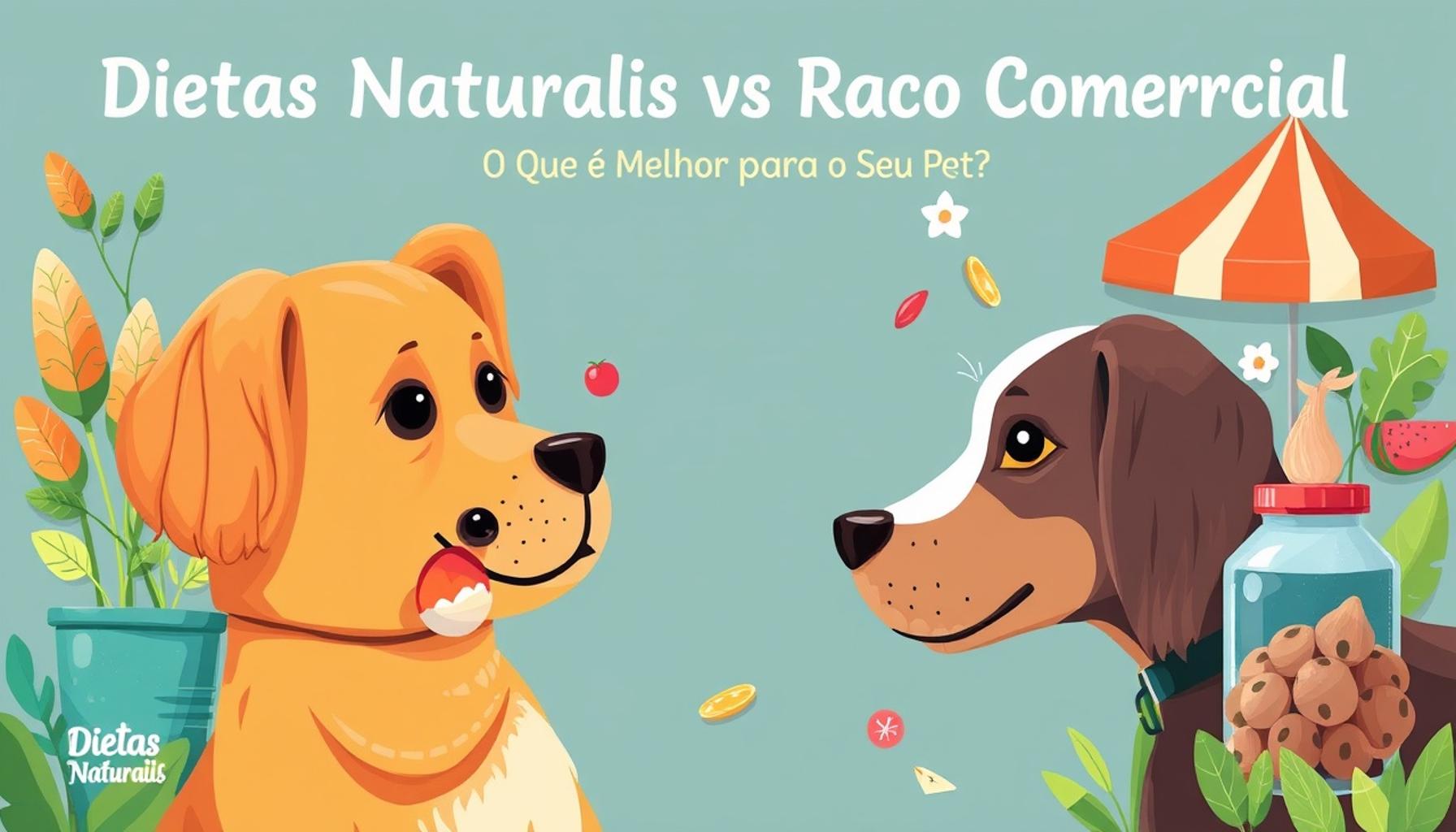
Turning to the comparison of commercial pet food, it’s essential to recognize its own set of advantages. First, **convenience** remains one of the significant factors favoring commercial pet food. Pet owners can easily purchase ready-to-serve meals without the need for preparation or extensive planning. This is a practical solution for busy individuals or families who may not have the time or resources to prepare homemade diets.Second, **formulation consistency** is another crucial point. Commercial foods are often scientifically designed to meet specific dietary requirements and are formulated to provide a balanced diet consistently. This can ensure that pets receive all the essential vitamins and minerals necessary for their health.Moreover, some commercial options focus on **specialized diets**, especially for pets with specific health concerns like obesity, allergies, or kidney issues. These products can effectively address particular health conditions and simplify dietary management.Lastly, **economic factors** also play a significant role; commercial pet food can often be more affordable, particularly when purchased in bulk, making it an attractive option for pet caretakers who must consider budget constraints.When weighing ‘Dietas Naturais vs. Ração Comercial,’ both sides present compelling arguments. Each has virtues that can significantly influence the overall health and well-being of pets, and understanding them allows pet owners to make informed choices based on their unique circumstances.
Frequently Asked Questions about Natural Diets vs. Commercial Pet Food
What is the main difference between natural diets and commercial pet food?
The primary difference lies in their composition and preparation. Natural diets typically consist of fresh, unprocessed ingredients such as meats, vegetables, and grains that you prepare at home. In contrast, commercial pet foods are pre-made products available in stores, designed to offer a balanced diet with added vitamins and minerals. Each option has its own set of benefits and challenges, often influenced by your pet’s nutritional needs and your lifestyle.
Are natural diets safer for pets?
Natural diets can be safe, but they require careful planning to ensure they meet all of your pet’s nutritional needs. A poorly balanced natural diet might lead to deficiencies and health issues. It’s crucial to consult with a veterinarian or a pet nutritionist to design a diet that provides a complete nutrient profile. On the other hand, commercial pet foods are formulated to meet nutritional standards, offering a convenient and consistent option. Safety often depends on the quality of ingredients and the care taken in food preparation, regardless of diet type.
How do I determine which diet is best for my pet?
Selecting the best diet involves evaluating several factors, including your pet’s age, breed, health condition, and lifestyle. Consulting with a veterinarian can provide tailored recommendations. They might suggest a commercial food that meets your pet’s dietary needs or help you develop a natural diet plan. Monitoring your pet’s response—such as energy levels, coat condition, and digestion—also offers insights into whether a diet suits them.
Can I mix natural diets with commercial pet food?
Yes, many pet owners choose to mix the two as a way to offer variety while ensuring a nutritionally balanced diet. It’s essential, however, to do so carefully. Introducing new foods gradually helps prevent digestive issues. You must also ensure that the combined diet still meets your pet’s nutritional requirements. Again, professional guidance can be invaluable to avoid imbalances.
What are the cost implications of choosing a natural diet over commercial pet food?
Natural diets can sometimes be more expensive due to the cost of fresh, high-quality ingredients and the time involved in preparation. However, they might offer potential long-term savings by promoting overall health and potentially reducing veterinary expenses. Conversely, commercial foods can be more economical and convenient for daily feeding. The decision ultimately depends on your budget, time availability, and your pet’s specific health needs.
Conclusion
In deciding between natural diets and commercial pet food, pet owners face the important task of considering what is best for their beloved companions. Each option offers its unique set of advantages and challenges, emphasizing the necessity of a well-informed decision.
Natural diets can provide pets with freshly prepared meals that often mirror their ancestral eating patterns. These meals can be tailored to meet specific nutritional needs, offering the benefit of transparency and control over ingredients. Families who choose this path often value the ability to avoid artificial preservatives and fillers, aiming for a more holistic approach.
On the other hand, commercial pet food is often formulated by veterinary nutritionists to meet the well-rounded dietary requirements of pets. These products offer convenience and consistency, ensuring that essential nutrients are provided in balanced proportions. Importantly, commercial options typically undergo rigorous testing, offering reliability in nutritional adequacy.
Ultimately, the choice between natural diets and commercial foods should be based on individual pet needs, lifestyle considerations, and guidance from veterinarians or pet nutritionists. Taking into account a pet’s age, activity level, and health status can help inform this decision. Additionally, regular monitoring of your pet’s health and wellbeing will guide ongoing dietary adjustments.
Both dietary approaches have the potential to support a pet’s health when implemented thoughtfully. What remains paramount is the commitment to providing pets with the nutrition they need to thrive, ensuring they lead happy, healthy lives. As responsible pet owners, considering all factors and staying informed are key elements in making the best choice for your furry friend.

Linda Carter
Linda Carter is a writer and pet care specialist passionate about animal health, behavior, and well-being. With extensive experience helping pet owners make informed decisions, Linda shares practical advice on nutrition, daily care, training, and creating a safe, loving environment. Her goal is to provide clear guidance, useful tips, and accessible information that help readers better understand their pets and give them happier, healthier lives.