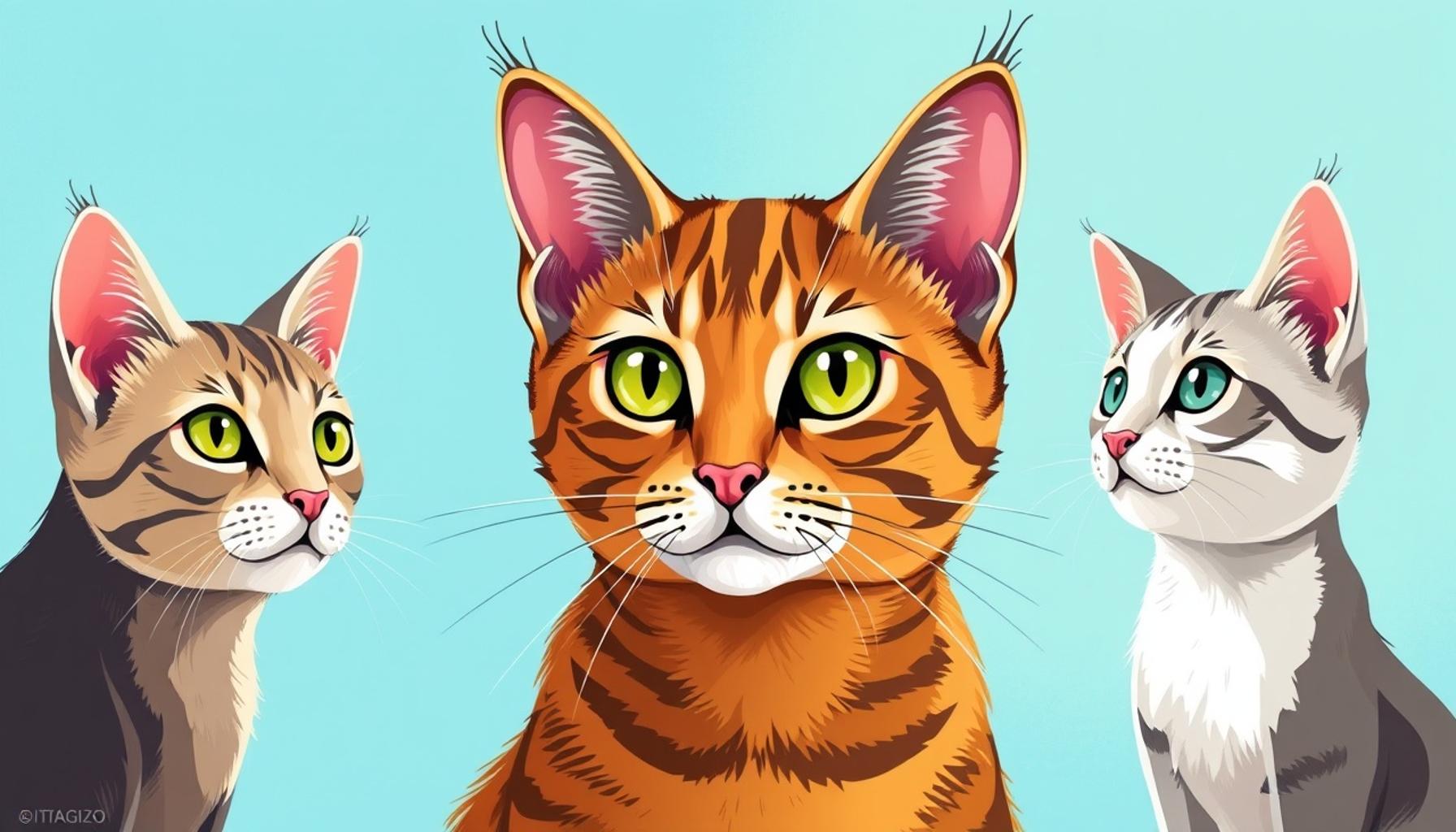
How to Train Cats: Demystifying Feline Behavior

Understanding Feline Behavior
Cats are fascinating companions adored by millions, yet they often display behaviors that baffle even the most seasoned pet owners. Unlike dogs, who are pack-oriented and thrive on social cues from their human companions, cats are independent creatures whose behaviors are deeply rooted in their evolutionary history. To successfully train a cat, owners must delve into their natural instincts and individuality. This article will demystify feline behavior and present effective training techniques that enhance both the owner’s and the cat’s experiences.
Common Challenges Faced by Cat Owners
Many cat owners encounter obstacles that can strain their relationship with their furry friends. Some of the most prevalent issues include:
- Understanding why their cat scratches furniture: Cats have a natural instinct to scratch as it helps them maintain their claws and mark territory. Providing scratching posts made of various materials like sisal or cardboard can redirect this behavior away from household furniture.
- Dealing with litter box issues: It’s not uncommon for cats to develop aversions to their litter boxes. Factors such as cleanliness, location, and type of litter can significantly impact their willingness to use it. Regular cleaning and experimenting with different types of litter can resolve these issues.
- Encouraging playfulness without excessive aggression: Cats often engage in play that mimics hunting behaviors. While it’s great to encourage this playful side, it’s essential to provide appropriate toys that satisfy their instinct to stalk and pounce, rather than allowing them to use human hands or feet as playthings.
The Benefits of Understanding Cat Behavior
By developing a comprehensive understanding of these challenges, cat owners can cultivate a more enjoyable and harmonious living environment. Better communication and training techniques can lead to:
- Improved communication: Recognizing your cat’s body language and vocalizations can help you understand their needs and emotions, fostering a deeper bond.
- Enhanced mental stimulation: Engaging your cat in training sessions and interactive play helps stimulate their brain, reducing boredom and preventing behavioral problems.
- A reduction in unwanted behaviors: Training can also address and minimize behaviors that are frustrating for owners, such as excessive meowing or inappropriate elimination.
In the following sections, we will delve into specific training methodologies suited for different feline personalities. Whether your cat is shy, playful, or independent, there are tailored approaches that can make training a positive experience for both owner and pet. Prepare to connect with your cat on a new level and transform those elusive feline mysteries into understood behaviors. Let’s embark on the journey toward nurturing a well-behaved and happy companion!
LEARN MORE: Click here to discover how companion animals can make a difference in emergencies</p
Feline Personalities and Training Techniques
Understanding that each cat possesses a unique personality is crucial for effective training. Cats, like people, have distinct temperaments that influence how they interact with their environment and their owners. Recognizing whether your cat is shy, curious, playful, or aloof can guide you in choosing the right training tactics.
Identifying Your Cat’s Personality
Before embarking on the training journey, it is essential to assess your cat’s personality. Here are a few common feline personality types:
- The Curious Explorer: These cats are adventurous and love to investigate new items or spaces. Training with rewarding toys or treats can engage their inquisitive nature.
- The Laid-Back Relaxer: Cats with this personality tend to be calmer and may not respond as eagerly to training sessions. Patience and gentle encouragement are key approaches for these felines.
- The Playful Hunter: Known for their high energy and enthusiasm, playful hunters thrive on physical interaction. Incorporating play into training techniques can make learning fun and enjoyable for them.
- The Shy Observer: These cats can be more reserved and may require more time to feel comfortable with training. Begin with gentle, low-pressure activities and gradually increase interaction as trust builds.
Understanding your cat’s personality will lay the groundwork for effective training. Engaging with your cat using their inherent traits can lead to successful outcomes in various training methods.
Effective Training Techniques
Now that you have identified your cat’s personality, you can explore techniques tailored to their specific needs. Here are some effective strategies:
- Positive Reinforcement: This technique is essential in feline training. Use treats, praise, or playtime as rewards for desired behaviors. Positive reinforcement not only encourages good behavior but also strengthens the bond between you and your cat.
- Clicker Training: Clicker training effectively communicates desired actions. When your cat performs a behavior you’d like to reinforce, use a clicker to signal this action and follow it with a reward. This method can lead to faster learning and clear communication.
- Target Training: Using a target, such as a stick or your hand, can help guide your cat through various behaviors. Simply direct your cat to touch the target and reward them when they do. This technique can expand to include other tricks or commands over time.
- Short, Fun Sessions: Cats have short attention spans, so keeping training sessions brief—around five to ten minutes—helps maintain their interest. Consistency is vital, so aim for frequent sessions rather than long, infrequent ones.
By utilizing these techniques and aligning them with your cat’s personality traits, you can unlock the potential for successful training. Understanding feline behavior is not merely about establishing rules; it is an opportunity to create a fulfilling partnership that elevates both the owner’s and the cat’s lives. In the subsequent sections, we will explore expanding training techniques and addressing additional behavioral challenges, ensuring a comprehensive approach to feline education. Prepare for an exciting journey into the world of cat training!
The journey to understand and train our feline friends involves unraveling the complexities of cat behavior. Unlike dogs, cats have unique traits influenced by their evolutionary history, and knowing these can enhance training effectiveness. For instance, understanding the significance of a cat’s tail position can be a clue to their emotional state. When your cat’s tail stands up high, it often signifies happiness and confidence, whereas a low tail may indicate fear or submission. Another fascinating aspect of feline behavior is the importance of play. Cats are natural hunters, and incorporating play into their training can easily simulate their instinctual behaviors. Toys that mimic prey, such as feather wands or laser pointers, can help redirect their energy in a positive way while also reinforcing bonding between the owner and the pet. Additionally, using interactive games can aid in behavior modification, making training feel less like a chore and more like an activity both you and your cat look forward to. Moreover, your cat’s body language is a vital part of communication. Learning to interpret your cat’s signals, from their ear orientation to their whisker position, can offer insights into their feelings and needs. Adjusting your approach based on this understanding will not only improve your training results but will also nurture a deeper connection with your pet.Now, let’s examine some advantages of training your cat, presented in a well-structured table format.
| Advantages of Cat Training | Benefits |
|---|---|
| Improved Behavior | Helps to reduce unwanted behaviors such as scratching and biting. |
| Stronger Bond | Fosters trust and attachment between the cat and the owner. |
| Physical Exercise | Encourages active playtime, promoting physical health and well-being. |
| Enhanced Mental Stimulation | Engages the cat’s mind, preventing boredom and associated misbehavior. |
Each of these advantages not only highlights the significance of training but also underscores how it can lead to a happier, healthier feline companion. By investing time into understanding your cat’s behavior and implementing training techniques, you open the door to an enriching relationship with your furry friend.
DON’T MISS OUT: Click here to learn about the importance of dog socialization
Advanced Training Techniques and Addressing Common Issues
To further elevate your cat training experience, it is essential to delve into advanced techniques as well as address common behavioral issues that many cat owners encounter. This not only fosters a better understanding between you and your feline companion but also enriches their overall quality of life.
Expanding Training Techniques
Once comfortable with basic training, consider exploring additional methods that can deepen your cat’s behaviors and responses:
- Behavior Shaping: This technique involves rewarding successive approximations of a desired behavior. For example, if you want to train your cat to jump through a hoop, start by rewarding them for simply approaching the hoop. Gradually, require them to get closer until they finally leap through it.
- Desensitization: This method is particularly useful for cats exhibiting fear-related behaviors, such as anxiety during loud noises or the presence of new guests. Gradually expose your cat to the triggering stimulus at a low intensity and reward relaxed behavior, slowly conditioning them to tolerate or even welcome the source of their unease.
- Socialization Training: Introducing your cat to various environments, people, and other pets can enhance their adaptability. Start slow, allowing one new experience at a time while encouraging exploration through rewards. This fosters confidence and reduces the likelihood of fearful behaviors down the line.
Incorporating these advanced techniques requires patience and dedication, ensuring that your training remains a positive experience for both you and your cat.
Addressing Common Behavioral Challenges
Many cat owners face certain behavioral challenges that may hinder effective training. Addressing these issues can pave the way for smoother interactions and training sessions.
- Scratching Furniture: One of the most common challenges is a cat’s instinct to scratch furniture. Redirect this behavior by providing ample scratching posts and rewarding your cat when they choose these outlets. Use positive reinforcement to encourage ‘safe’ scratching.
- Excessive Meowing: If your cat tends to vocalize excessively, it may be a sign of boredom or a need for more interaction. Engage them with interactive toys, scheduled playtime, and ensure they have mental stimulation to lessen their meowing.
- Inappropriate Elimination: Cats may sometimes eliminate outside the litter box due to stress or health issues. Address this by ensuring a clean litter box, exploring different litter types, and if the issue persists, consulting a veterinarian to rule out any underlying health problems.
Understanding these behavioral challenges allows you to proactively address them using training strategies tailored to your cat’s unique needs. By combining these advanced techniques with effective behavioral management, you increase the chances of creating a harmonious living environment and deepening the bond between you and your feline friend.
Further exploration of these training methods will reveal even greater insights into how to navigate the complexities of feline behavior, ensuring a joyful journey through the feline training landscape.
LEARN MORE: Click here to discover why dog socialization is key
Conclusion
In summary, training cats is a nuanced journey that intertwines understanding feline behavior with utilizing effective techniques. As outlined in this article, cats can be trained just like dogs, though the methods may differ due to their unique instincts and personalities. Establishing a solid foundation with basic commands and gradually exploring advanced training techniques, such as behavior shaping and desensitization, can make a notable difference in your cat’s adaptability and behavior.
Addressing common issues, from scratching furniture to excessive meowing, is integral to creating a serene living environment. The key lies in being observant and responsive to your cat’s individual needs. Whether it’s enhancing their scratch-friendly spaces or enriching their environment with stimulating toys, every effort contributes to their overall happiness and well-being. Recognizing that training is not merely about corrections but fostering a bond of trust and understanding is paramount.
As you embark on this fulfilling journey, continue to educate yourself about the complexities of feline behavior. Each training session opens a new chapter in your relationship, paving the way for a more harmonious coexistence. Embrace the process with patience and compassion, allowing your cat to blossom and thrive. Through dedicated training, you not only improve their behavior but also enhance your mutual affection and understanding. Dive deeper into the world of cat training, and you may find that your feline friend has just as much to teach you as you do them.

Linda Carter
Linda Carter is a writer and pet care specialist passionate about animal health, behavior, and well-being. With extensive experience helping pet owners make informed decisions, Linda shares practical advice on nutrition, daily care, training, and creating a safe, loving environment. Her goal is to provide clear guidance, useful tips, and accessible information that help readers better understand their pets and give them happier, healthier lives.