The Impact of Grain-Free Diets on Dog Health
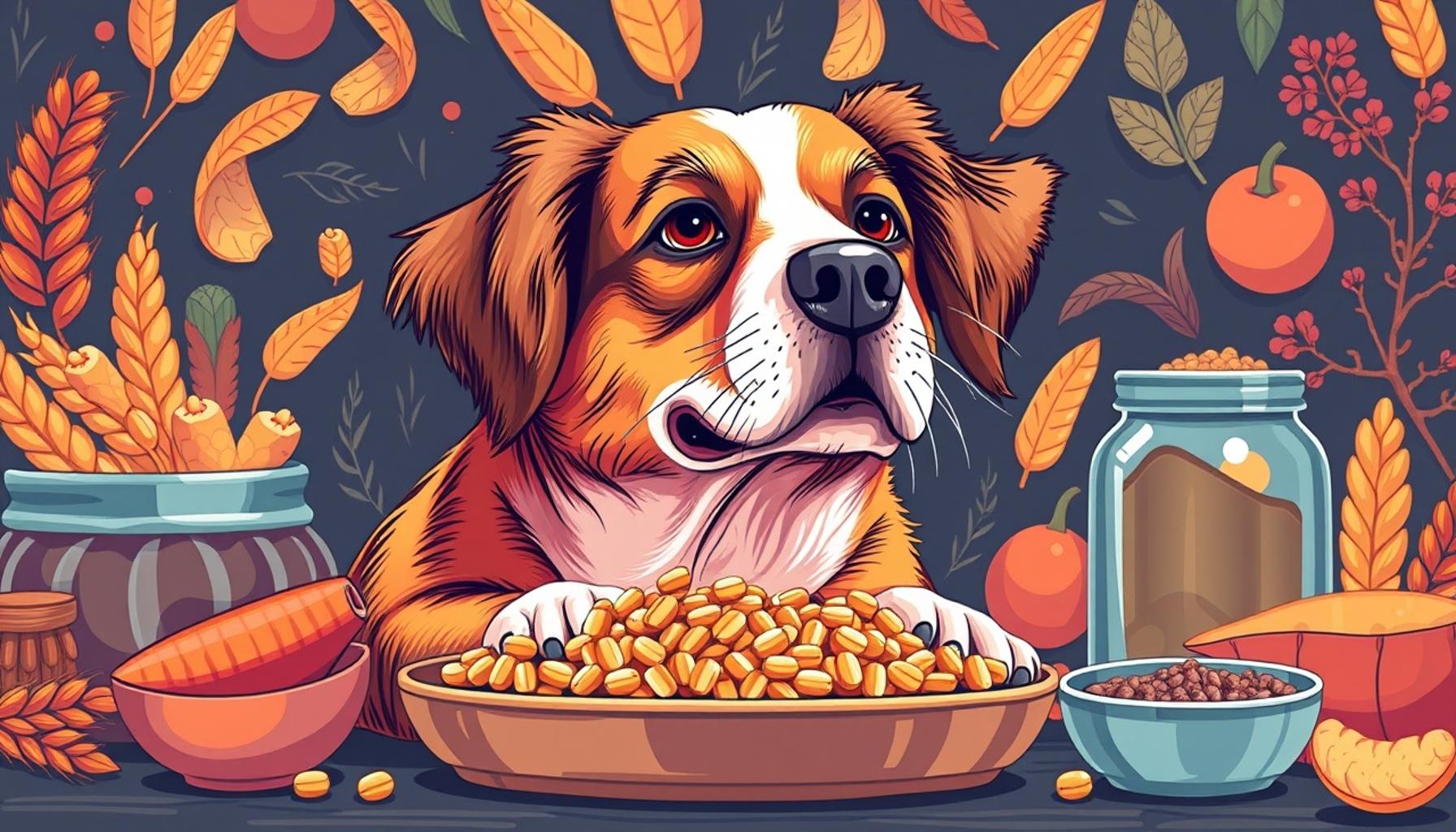
Understanding Grain-Free Diets for Dogs
In recent years, the trend of grain-free diets for dogs has surged in popularity among pet owners across the United States. Many believe that eliminating grains from their dog’s diet can lead to improved health and vitality. This shift is part of a broader movement among consumers who prioritize natural and holistic food options for their pets, often motivated by the belief that many grains can lead to allergies and digestive issues.
Benefits of Grain-Free Diets
Proponents of grain-free diets often claim several benefits for dogs, including enhanced energy levels, better digestion, and improved coat condition. Some pet owners report that switching to a grain-free diet has led to noticeable changes in their dogs’ behaviorsand vitality. For example, a dog that previously struggled with lethargy may show increased enthusiasm and playfulness after making the dietary switch. Additionally, a grain-free diet might lead to fewer gastrointestinal upsets, as some dogs digest meat and vegetables more easily than grains.
Common Ingredients in Grain-Free Diets
These diets typically replace grains with alternative sources of carbohydrates and protein, such as lentils, peas, and various types of meat like chicken, beef, or fish. These ingredients are often touted as being richer in nutrients compared to traditional grain sources like corn or wheat. For instance, peas and lentils are not only high in protein but also offer beneficial fibers that can help with digestion. An increasing number of dog food manufacturers are also incorporating nutrient-dense superfoods such as sweet potatoes and pumpkin to enhance the overall quality of the diet.
Health Concerns and Controversies
However, some experts warn of potential risks associated with grain-free diets. In recent studies, certain grain-free formulations have been linked to an increasing number of cases of canine dilated cardiomyopathy (DCM), a serious heart condition that affects the heart’s ability to pump blood efficiently. The U.S. Food and Drug Administration (FDA) has been investigating the connection between certain grain-free diets and DCM, particularly those high in peas, lentils, chickpeas, and potatoes. This has raised concerns among veterinarians and pet health professionals, urging pet owners to remain cautious and consult with their vets when considering a diet change.
Nutritional Balance and Long-Term Effects
The relationship between dog health and diet is intricate and multifaceted. Specifically, the absence of grains raises questions about the overall nutritional balance and potential long-term effects on dogs’ health. While some dogs may thrive on grain-free diets, others might need grains as an important part of their balanced nutrition. As more pet owners seek to optimize their dogs’ health, understanding the pros and cons of various dietary choices becomes increasingly relevant.
This article aims to explore the complexities surrounding grain-free diets and their impact on dog health, providing vital information for those considering a dietary shift for their furry companions. Continuous research and dialogue in this evolving field will help pet owners make informed decisions, ensuring their pets’ health and well-being remain the top priority.
DISCOVER MORE: Click here to learn about the benefits of positive reinforcement
Potential Benefits of Grain-Free Diets
As the trend of grain-free diets for dogs continues to grow, many pet owners are curious about the potential benefits these diets may offer. While the individual results can vary, anecdotal evidence suggests that some dogs exhibit noticeable improvements after making the switch to a grain-free regimen. Here are several potential benefits to consider:
- Improved Digestive Health: Many pet owners report that their dogs experience fewer gastrointestinal issues on grain-free diets. The absence of grains may help alleviate symptoms related to food sensitivities or allergic reactions, leading to healthier bowel movements.
- Increased Energy Levels: Some dogs may display higher levels of energy and reduced lethargy once their diets are free from grains. This boost in vitality can encourage dogs to engage in more physical activity, contributing to overall fitness and well-being.
- Better Skin and Coat Condition: Grain-free diets often include more protein-rich ingredients and beneficial fats, which can enhance the condition of a dog’s skin and coat. Pet owners often notice shinier fur and improvements in skin health, reducing issues such as itchiness or irritation.
- Weight Management: For dogs prone to obesity, grain-free diets can support weight loss efforts. Foods high in protein can promote satiety, thereby reducing the likelihood of overeating.
However, while these potential benefits exist, it is crucial to approach the idea of grain-free diets with careful consideration and an understanding of the particular needs of your dog. Not all dogs may thrive on grain-free options, and distinguishing the best dietary choice for your pet may require some trial and error.
Nutritional Considerations
Grain-free diets are not a one-size-fits-all solution. Each dog has unique nutritional needs based on factors such as age, breed, and activity level. It’s important to ensure that any diet—grain-free or otherwise—provides a balanced mix of protein, fats, and carbohydrates. In many grain-free formulations, carbohydrates are derived from sources like peas, lentils, and sweet potatoes. While these ingredients can offer nutritional benefits, they may lack certain essential nutrients that grains provide.
Pet owners should also be aware of the quality of ingredients in grain-free dog food. Choosing high-quality, reputable brands that adhere to AAFCO standards can help mitigate risks associated with nutritional deficiencies. Regular consultations with veterinarians can also offer guidance on the suitability of grain-free diets and what to look for in quality dog food products.
As the grain-free diet phenomenon continues to unfold, so does the conversation around its impact on dog health. Pet owners are encouraged to stay informed, weighing both the potential benefits and the concerns associated with such a dietary shift.
| Health Benefits | Nutritional Aspects |
|---|---|
| Improved Digestion | Grain-free diets often include alternative carbohydrates such as sweet potatoes and peas, which can be easier for dogs to digest. |
| Better Skin and Coat | High-quality proteins and omega fatty acids found in grain-free diets can contribute to healthier skin and a shinier coat, reducing irritation. |
| Weight Management | A grain-free diet can support weight management by providing higher protein content that keeps dogs satisfied and less prone to overeat. |
| Enhanced Energy Levels | With ingredients that are more aligned with a dog’s ancestral diet, many pet owners notice an increase in their dog’s overall energy and vitality. |
The choice of a grain-free diet for dogs has sparked significant discussion among pet owners and veterinarians alike. It is crucial to be informed about the potential benefits that such diets may provide for canine health. Research indicates that while some dogs thrive on grain-free diets, others may require careful consideration of their unique nutritional needs. Innovations in pet food formulations have led to a myriad of available options, thus offering greater dietary flexibility.One should also be aware of the potential risks associated with grain-free diets, specifically the link to certain heart diseases in dogs. This emphasizes the need for consultation with a veterinarian when transitioning to or maintaining such a diet.
DISCOVER MORE: Click here to learn how technology is changing pet care
Concerns and Risks Associated with Grain-Free Diets
While the potential benefits of grain-free diets for dogs have garnered interest, it is equally important to examine the concerns and risks that accompany this dietary choice. Recently, emerging research and veterinary insights have brought to light several issues that pet owners should consider before switching their dogs to a grain-free regimen.
Potential Nutritional Deficiencies
A significant concern regarding grain-free diets is the potential for nutritional deficiencies. Although some grain-free dog foods replace grains with alternative carbohydrate sources such as peas, lentils, and potatoes, there are worries that these diets may not meet all the nutritional needs of dogs. Certain grains contain vital nutrients, including B vitamins and fiber, which might be lacking in a grain-free diet. Insufficient intake of essential vitamins and minerals can lead to health issues over time, particularly in growing puppies or active adult dogs.
Link to Canine Dilated Cardiomyopathy (DCM)
One of the more contentious topics surrounding grain-free diets is the reported association with canine dilated cardiomyopathy (DCM), a serious heart condition. The U.S. Food and Drug Administration (FDA) began investigating cases of DCM in dogs consuming grain-free diets, particularly those rich in peas and lentils. Although research is ongoing, some veterinarians advise caution and stress the importance of monitoring for signs like lethargy or difficulty breathing, especially in breeds predisposed to heart conditions. Pet owners should consult their veterinarians, keeping updated on new findings related to this significant health concern.
Variability in Ingredients and Quality Control
Another critical aspect to consider is the variability in the quality of grain-free dog foods available on the market. Unlike traditional dog food, which has established standards, the grain-free category is often less regulated, leading to discrepancies in ingredient sourcing and manufacturing practices. Choosing grain-free dog foods from reputable brands that commit to high-quality standards and transparency about their ingredient sourcing is essential to mitigate risks associated with inadequate nutrition or contamination. Comprehensive ingredient lists and guaranteed analysis on labels can guide consumers to make informed choices.
Behavioral Changes
Beyond the physical aspects of health, pet owners have noted behavioral changes in dogs after switching to grain-free diets. Some dogs may exhibit increased hyperactivity or anxiety levels, possibly tied to the ingredient composition and the absence of certain grains that provide stabilizing nutrients. It is essential to observe your dog’s behavior and mood post-diet change and maintain open communication with a veterinarian to address any significant changes.
The Importance of Individual Dietary Needs
The decision to adopt a grain-free diet should ultimately hinge on a thorough understanding of your dog’s unique requirements. Factors such as age, activity level, and pre-existing health conditions must be carefully evaluated. A one-size-fits-all approach may not apply, as each dog’s response to dietary changes can be highly individual.
As discussions about grain-free diets evolve, pet owners are encouraged to stay informed by seeking resources and guidance from veterinary professionals dedicated to dog health. This balanced perspective may help pet owners make educated dietary choices that align with the individual well-being of their pets.
LEARN MORE: Click here to discover the benefits of socialization for your dog’s mental health
Conclusion: Navigating the Grain-Free Debate
As the conversation around grain-free diets for dogs continues to unfold, it is clear that these diets present both potential benefits and significant risks to canine health. While some pet owners report improvements in their dogs’ skin conditions, digestion, and overall vitality, it is critical to remain vigilant about the nutritional deficiencies that may arise. Grains often provide essential nutrients, and eliminating them entirely could lead to long-term health issues.
The growing concern regarding the association of grain-free diets with canine dilated cardiomyopathy (DCM) further emphasizes the need for caution. Ongoing research aims to clarify this link, but pet owners should proactively monitor their dogs for any alarming symptoms and consult with veterinarians before making dietary changes. Choosing high-quality, reputable brands can also mitigate risks related to ingredient variability and the quality control of dog foods.
Behavioral changes observed in some dogs highlight another dimension of this discussion, rendering it essential to assess how dietary adjustments may influence your pet’s mood and demeanor. Understanding the unique needs of each dog—considering factors like age, health, and activity levels—should guide the decision-making process.
In conclusion, the decision to pursue a grain-free diet should not be taken lightly. By staying informed, consulting veterinary professionals, and monitoring your pet’s health with an open mind, pet owners can make well-rounded choices that promote the best outcome for their beloved companions. As the landscape of dog nutrition evolves, it is paramount to keep the well-being of our pets at the forefront of these discussions.

Linda Carter
Linda Carter is a writer and pet care specialist passionate about animal health, behavior, and well-being. With extensive experience helping pet owners make informed decisions, Linda shares practical advice on nutrition, daily care, training, and creating a safe, loving environment. Her goal is to provide clear guidance, useful tips, and accessible information that help readers better understand their pets and give them happier, healthier lives.