
Tips for Creating a Safe and Comfortable Environment for Your Pet at Home
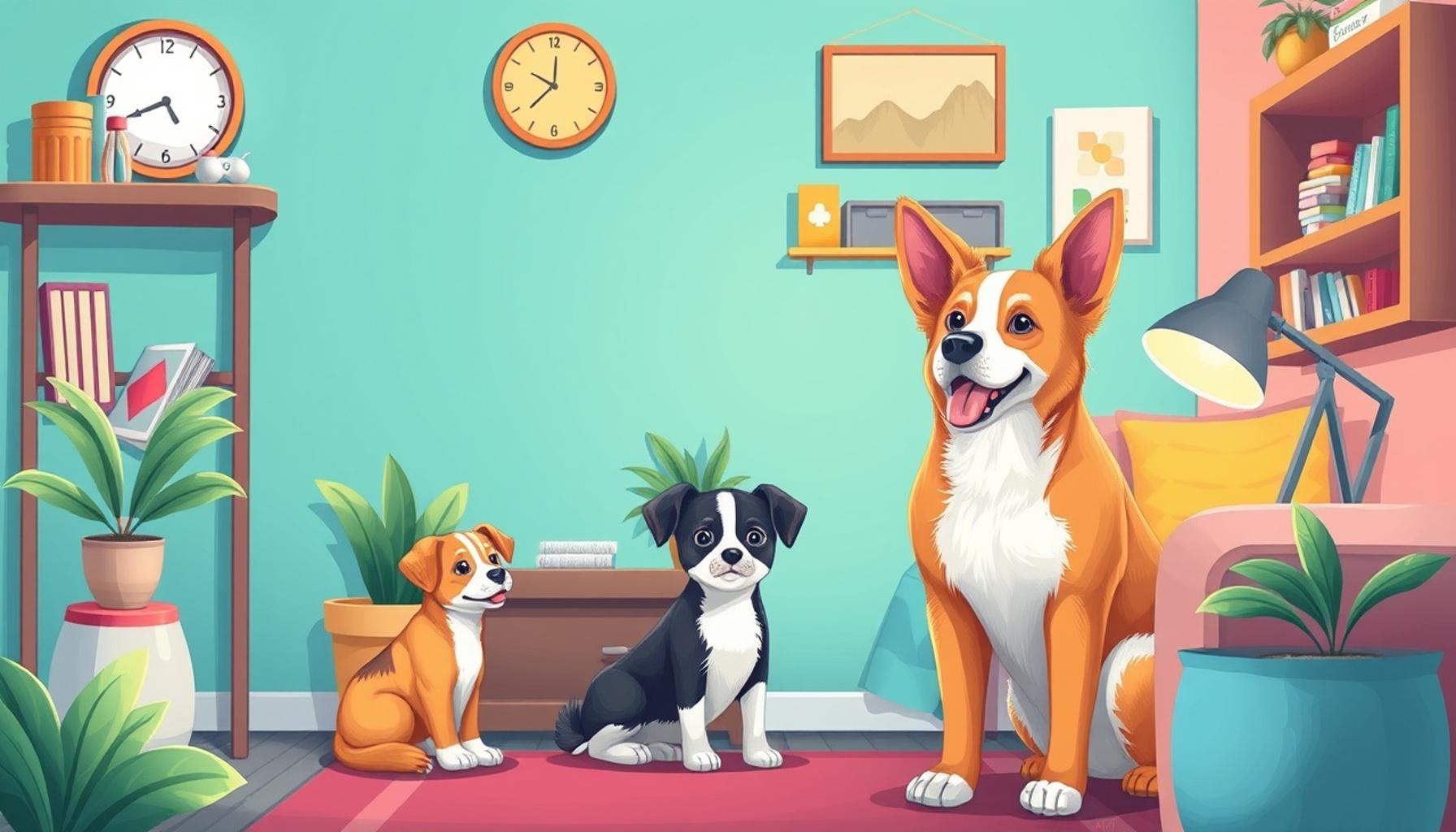
Creating a Safe Haven for Your Furry Friends
Welcoming a pet into your home is undoubtedly a rewarding experience, but it comes with a unique set of responsibilities that must not be overlooked. One of the paramount concerns for pet owners is ensuring their four-legged friends feel both safe and comfortable within the environment they inhabit. A small investment of time and effort in preparation can lead to a happy, healthy living space for both you and your beloved pet.
Here are some essential tips to consider when thinking about your pet’s safety:
- Secure Your Space: Begin by thoroughly inspecting your home for potential hazards. Common dangers include exposed electrical wires that could tempt a curious chew, and toxic houseplants like philodendrons or lilies that can endanger your furry companion if ingested. It’s wise to relocate any hazardous items out of reach or consider alternatives, such as switching to pet-safe plants.
- Designate a Safe Zone: Creating a specific area where your pet can retreat when feeling anxious or overwhelmed can greatly enhance their sense of security. This safe zone could be a cozy corner filled with their favorite blankets and toys, or even a small room set aside exclusively for them. Consider incorporating a crate or pet bed to help them recognize it as their safe haven.
- Pet-Proofing Features: Invest in practical items that can aid in keeping your space pet-friendly. Pet gates can keep them confined to a certain area, while non-slip mats help prevent slips and falls during playtime. Additionally, furniture covers can protect your upholstery from pet hair and scratches, allowing for a more harmonious coexistence.
Moreover, it’s essential to cater to your pet’s various needs beyond just safety. Regular grooming helps maintain their coat and skin health, while proper nutrition ensures they receive the essential vitamins and minerals necessary for their development and energy levels. For mental stimulation, consider toys that challenge their problem-solving skills or activities that involve fetch or scent games.
Remember, your home environment should invite exploration, but always prioritize safety. By implementing these steps, you can create a harmonious household where your pet can not only reside but thrive. With these foundational principles in place, you set the stage for a solution-oriented approach to pet care.
Stay tuned for more in-depth tips on fostering a safe and welcoming space tailored specifically for your beloved companion. Together, let’s uncover more ways to enhance the bond you share with your pet and ensure they enjoy their time in your home to the fullest.
DISCOVER MORE: Click here to learn about positive reinforcement in dog training
Understanding Your Pet’s Needs
Every pet is unique, with individual personalities and preferences that contribute to their overall well-being. In order to foster a safe and comfortable environment, it’s crucial to understand their specific needs and behaviors. For example, dogs are active and social animals that thrive on interaction, while cats often appreciate quiet spaces to retreat to when they need some alone time. Observing your pet’s habits will provide valuable insights into what adjustments may be necessary for their comfort.
One way to create a cozy atmosphere is through temperature control. Pets may not be able to verbally communicate when they’re feeling too hot or cold, but they certainly show signs of discomfort. Ensure that your living spaces have the appropriate climate control systems in place. Notably, some pets may require specific settings; for instance, short-haired breeds might benefit from a warmer environment during the winter months.
Another essential aspect is the layout of your living space. Open floor plans are often more pet-friendly, allowing for room to roam, but if your home has multiple levels, make sure that access to essential areas is easily navigable. Consider using pet ramps or stairs for older or smaller pets who may have trouble jumping onto couches or beds. This not only enhances their mobility but also promotes their independence and confidence.
Furthermore, the use of furniture and decor plays a significant role in your pet’s comfort. Opt for materials that are durable and easy to clean. Leather or synthetic fabrics tend to stand up better against scratches and pet hair, making maintenance easier. Adding pet-friendly furniture, such as beds with orthopedic support for older animals or cat trees that offer climbing and scratching options, can drastically improve your pet’s quality of life while keeping your home stylish.
- Establish Play Areas: Designate specific areas in your home where your pet can engage in stimulating activities. Ensure these zones are free from breakables and fill them with appropriate toys that encourage play and mental engagement.
- Routine for Feeding: Create a consistent feeding schedule that caters to your pet’s needs. This not only aids in their digestive health but also creates structure in their daily routine, which pets often find comforting.
- Safe Exploration: If you have a yard or outdoor space, ensure it is securely fenced. Supervised outdoor time is crucial for pets, allowing them to safely explore their surroundings while providing an effective outlet for energy.
Taking the time to thoughtfully consider these aspects will not only enhance your pet’s safety but also enrich their living environment. By actively engaging in their comfort through practical measures and keen observation, you help cultivate a nurturing home atmosphere. In the following sections, we will explore further strategies that can help you solidify your pet’s safe space, ensuring your home becomes a true sanctuary for them.
| Safety Measures | Comfort Enhancements |
|---|---|
| Secure Hazardous Items | Cozy Retreat Spaces |
| Ensure that all hazardous substances such as cleaning products, medications, and small items are stored out of reach. This reduces the risk of accidental poisoning or injury to your pet. | Create a dedicated area with soft bedding or blankets where your pet can relax and feel secure. This can include pet beds or enclosed spaces that mimic their natural instincts. |
| Identify and Remove Toxic Plants | Maintain Comfort with Temperature Control |
| Research which common houseplants are toxic to pets. Removing or replacing these plants can prevent serious health issues for curious pets. | Ensure your home maintains an optimal temperature for pets, particularly during extreme weather. Providing fans or heaters can help achieve a comfortable environment. |
The combination of safety measures and comfort enhancements is vital in making a home environment fit for your beloved pets. Implementing these changes not only ensures their well-being but can also enrich their lives significantly.
DISCOVER MORE: Click here to learn how pets can help reduce stress and anxiety
Enhancing Your Pet’s Safety and Comfort
In addition to understanding your pet’s unique needs, it is imperative to take proactive steps to ensure their safety and comfort at home. One foundational element is pet-proofing your environment. This involves removing potential hazards such as dangerous chemicals, choking hazards, and toxic plants that could harm your pets. Keeping household cleaners, medications, and any consumables securely locked away can prevent accidental ingestion, a common issue among curious pets.
Another important feature to consider is creating a designated resting area. Every pet needs a space they can call their own, where they feel secure and relaxed. For dogs, this could mean a plush bed in a low-traffic area, while cats might enjoy a cozy nook or a perch where they can observe their surroundings. Adding familiar items like blankets or toys can enhance the comfort of these spaces and encourage your pet to retreat when they need downtime.
Proper Lighting and visibility also play a crucial role in ensuring your pet feels safe at home. Overly bright lights can be harsh, particularly for cats with sensitive eyes, while poorly lit spaces may lead to accidents or anxiety in dogs. Consider using soft, adjustable lighting that creates a calming atmosphere. Night lights in hallways can also help guide pets, making nighttime navigation easier and less stressful.
Maintaining good air quality is yet another critical aspect of a comfortable home environment for your pets. Pets can be sensitive to odors and allergens, so ensure that your living space is well-ventilated. Investing in an air purifier can significantly reduce pet dander, dust, and other irritants. Regularly cleaning and vacuuming will help to maintain both hygiene and comfort. Also, ensure to keep windows securely closed or installed with screens if you allow fresh air, as open windows can pose a danger if your pet decides to explore.
- Regular Health Checks: Schedule regular vet visits to ensure your pet is in good health. This practice can prevent issues that may arise from untreated conditions and promote your pet’s longevity.
- Training and Socialization: Consider enrolling your pet in training classes to promote good behavior and socialization with other animals. An obedient pet is less likely to get into accidents or confrontations that could lead to stress and injury.
- Emergency Preparedness: Prepare an emergency plan for your pets in case of natural disasters. This could involve having a pet emergency kit ready with food, water, leashes, and any necessary medications.
Incorporating these safety measures into your home does not have to be overwhelming. Instead, viewing them as part of an enriching routine for both you and your pet can transform your space into a sanctuary that meets their needs and enhances your bond. With intentional focus on safety and the inclusion of pleasurable experiences, you can ensure your beloved animal feels secure and cherished in their home.
DIVE DEEPER: Click here to learn about the benefits of telemedicine in pet care
Conclusion: Nurturing a Safe Haven for Your Pet
Creating a safe and comfortable environment for your pet at home is more than just a series of precautions; it’s about fostering a sanctuary where they can thrive. By diligently pet-proofing your living space, designating quiet resting areas, and enhancing air quality, you are laying a strong foundation for your pet’s well-being. Ensuring proper lighting and maintaining a clean environment not only safeguard your pet’s physical health but also contribute immensely to their emotional stability.
The bond between you and your furry friend can deepen significantly when they feel secure and valued in their home. Regular health check-ups and training can further enhance this relationship, equipping them with the skills to navigate their surroundings and minimize anxiety. And let’s not forget about having a solid emergency preparedness plan in place; this will empower you to act swiftly in times of crisis, ensuring your pet’s safety remains a top priority.
As you weave these safety measures into the fabric of your daily routine, consider them not merely as tasks, but as a lifestyle change that nurtures the happiness and health of your beloved companion. Equip your home to be a safe haven, and in return, you will receive the comfort and joy that only a well-cared-for pet can provide. After all, a safe and comfortable environment is the ultimate gift for your furry family member.

Linda Carter
Linda Carter is a writer and pet care specialist passionate about animal health, behavior, and well-being. With extensive experience helping pet owners make informed decisions, Linda shares practical advice on nutrition, daily care, training, and creating a safe, loving environment. Her goal is to provide clear guidance, useful tips, and accessible information that help readers better understand their pets and give them happier, healthier lives.