
Veterinary Telemedicine: The Future of Pet Care
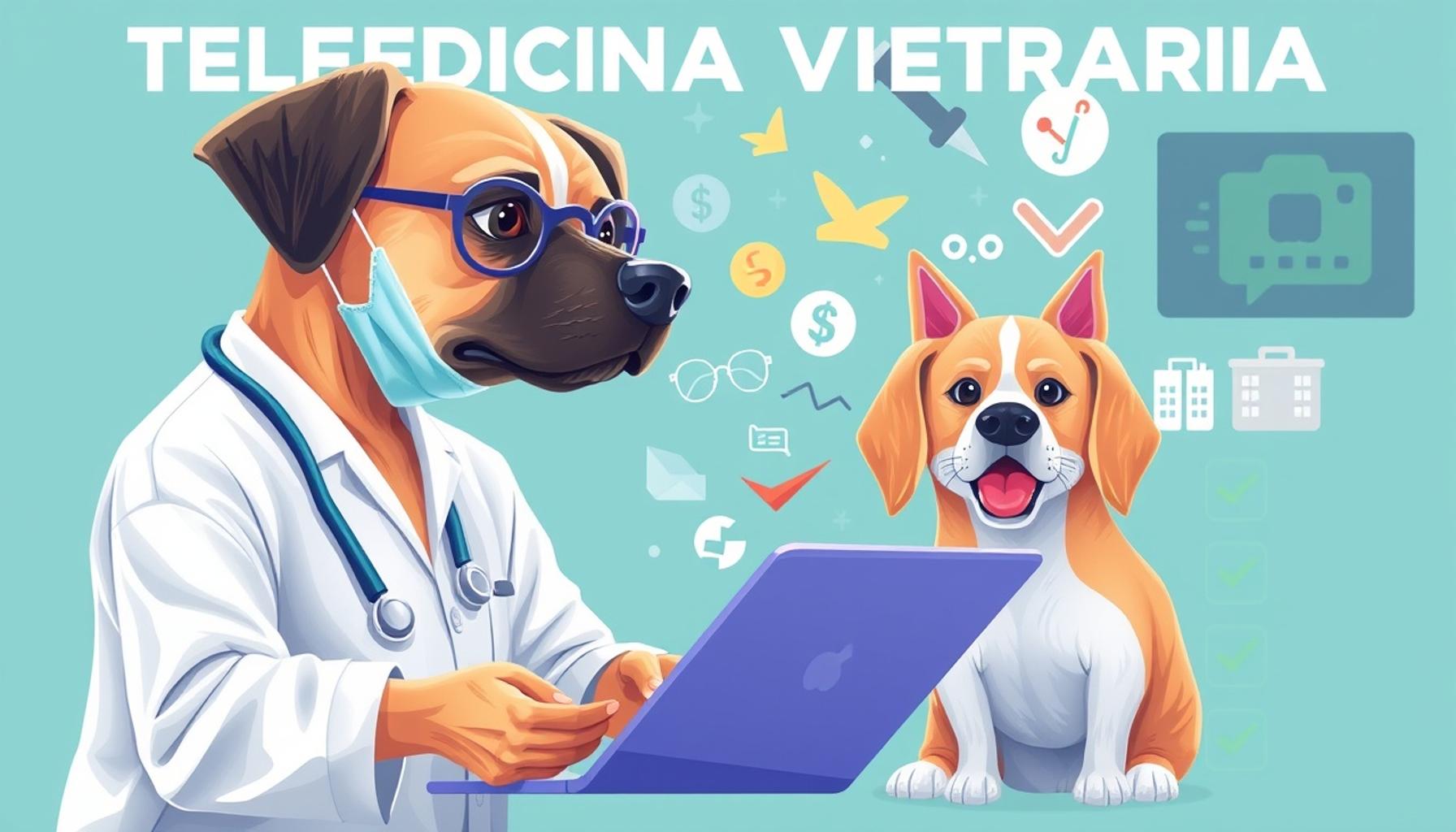
Revolutionizing Pet Health through Technology
The rise of pet ownership in the United States has been a remarkable trend, prompting the evolution of various pet care solutions. Among these advancements, veterinary telemedicine stands out as a transformative approach to managing pet health. Thanks to rapid developments in technology, pet owners can now consult with licensed veterinarians from the comfort of their homes or even on the go. This revolutionary shift not only changes the way pet care is accessed but also brings a myriad of significant benefits for both pets and their human companions.
- Convenience: Pet owners can schedule veterinary consultations at their convenience, saving valuable time. Whether it’s during a lunch break or after work, quick access minimizes stress for both pets and owners, who don’t have to navigate through traffic or sit in a waiting room filled with other animals.
- Accessibility: For those living in rural or underserved areas, veterinary resources can be limited. Telemedicine bridges this gap, allowing pet owners to reach experienced veterinarians without geographical constraints. In emergencies—when immediate care is critical—remote consultations can provide timely guidance until in-person treatment is feasible.
- Cost-Effectiveness: Traditional veterinary visits often come with hefty bills due to overhead costs of physical locations. Telemedicine can provide a more affordable option for pet owners, with many veterinarians offering competitive rates for online consultations, which can reduce overall healthcare costs.
- Continuity of Care: For pets with chronic conditions, such as diabetes or arthritis, regular monitoring is essential. Virtual check-ups allow veterinarians to engage continuously with pet owners, updating treatment plans and providing ongoing assessments without the need for frequent in-clinic visits.
Imagine being able to seek professional advice about your furry friend’s health merely by using your smartphone or computer. Through video consultations, chat support, and even mobile apps, veterinary telemedicine allows for efficient diagnostics, suggesting treatment options that can be followed up with prescriptions delivered straight to your home. For instance, if a pet is displaying unusual behavior or symptoms, owners can share real-time visuals and videos with their vets, enabling quicker assessments.
As we further explore this burgeoning sector, understanding how veterinary telemedicine is shaping the future of pet care is crucial. It eliminates traditional barriers, making pet health care more inclusive and proactive. The integration of these digital tools within veterinary practices signals a shift towards a healthier, more connected future for pets and their owners alike across the United States. The potential for innovation in this field is immense, leading many to wonder what the future holds for both technology and animal health. The possibility of combining AI-driven diagnostics with teleconsultation paints an exciting picture of enhanced veterinary care that is easily accessible to all.
DIVE DEEPER: Click here for more tips on engaging your pet’s mind
Understanding the Impact of Veterinary Telemedicine
Veterinary telemedicine is not just a buzzword; it’s a game-changer in the world of pet care. With technology evolving at a breakneck pace, pet owners are now equipped with the ability to connect with veterinarians through various digital platforms, transforming the way health care is accessed for pets. This convenience is particularly relevant in today’s fast-paced lifestyle, where time is often a luxury. By utilizing video calls, online chats, and mobile applications, pet owners can quickly obtain the information they need regarding their pets’ health without the hassle of an in-clinic visit.
Moreover, one of the standout features of veterinary telemedicine is its power to improve diagnostic efficiency. Through visual consults, veterinarians can analyze symptoms and behavior in real time. For example, if a dog is limping or a cat is not eating, pet owners can capture these moments on video and relay them directly to their vet. This immediate sharing of information can lead to quicker assessments, allowing for prompt recommendations that can significantly impact the outcome of a pet’s health plan.
The Expanding Role of Technology in Veterinary Practices
The integration of innovative tools into veterinary practice is paving the way for a more advanced healthcare framework. Here are several key technologies influencing the rise of telemedicine in veterinary care:
- Mobile Applications: Many veterinary clinics have developed user-friendly apps that allow pet owners to book appointments, access health records, and consult with veterinarians directly.
- Wearable Devices: These devices are increasingly being used to monitor pets’ vitals and activity levels, providing crucial data that can be reviewed during teleconsultations.
- Artificial Intelligence: AI technologies are being harnessed for preliminary diagnostics, helping veterinarians assess health issues based on symptoms described by pet owners.
- Telehealth Platforms: Specific platforms designed for veterinary telemedicine provide a secure space for consultations, ensuring privacy while maintaining a high standard of care.
The growing reliance on these technologies is reshaping how veterinarians approach pet care. As a result, pet owners not only receive immediate assistance but also enhance their understanding of their pets’ needs. Educational content shared during teleconsultations further reinforces the partnership between pet owners and veterinarians, fostering an environment of teamwork and collaboration.
In short, the advent of veterinary telemedicine represents a significant shift in how pet health care is delivered—and it’s just the beginning. As the industry continues to adapt to changing technologies and consumer demands, we can expect even greater advancements that enhance not only the accessibility of veterinary services but also the overall well-being of pets across the nation. The potential impact of this evolution is poised to redefine pet health care, offering smarter solutions for the challenges that pet owners and veterinarians face together.
| Advantage | Description |
|---|---|
| Accessibility | Veterinary telemedicine breaks geographical barriers, allowing pet owners to access specialized care without the need to travel long distances. |
| Timeliness | Quick virtual consultations can lead to immediate advice and treatment plans, crucial for urgent pet health matters. |
| Cost-Effectiveness | Often, telemedicine services are more affordable than in-person visits, making quality veterinary care more accessible for pet owners. |
| Stress Reduction | Pets tend to feel more comfortable in the familiar environment of their homes during consultation, reducing stress and anxiety. |
The integration of telemedicine in veterinary care represents a significant shift in how pet health services are delivered, exemplifying a response to modern demands for convenience and efficiency. With these advantages, it becomes increasingly clear why Veterinary Telemedicine is not just a passing trend but a vital component of pet care’s future. Choosing telemedicine can save precious time and provide peace of mind for pet owners who want the best for their furry friends. As this innovative approach to pet healthcare evolves, exploring its myriad benefits further reveals just how transformative it can be for pets and owners alike.
LEARN MORE: Click here for insights on pet dental care</p
The Benefits of Veterinary Telemedicine for Pet Owners
As veterinary telemedicine becomes more entrenched in pet care, the advantages for pet owners are increasingly clear. Beyond merely saving time, telemedicine offers a myriad of benefits that can enhance overall pet health and well-being.
Cost-Effectiveness and Accessibility
One of the compelling features of veterinary telemedicine is its cost-effectiveness. Traditional veterinary visits often involve not just the examination fee, but also travel costs and time away from work. In contrast, virtual visits typically lower overhead costs, making consultations more affordable. Pet owners can save on gas and potential boarding fees by utilizing virtual care when they have scheduling conflicts or their pets are stressed by travel.
Moreover, for those living in rural areas or for those with mobility issues, telemedicine bridges the gap between pet owners and veterinary care. Many dedicated pet owners find themselves hours away from a veterinary clinic, and the option to connect with a licensed veterinarian remotely offers them crucial access to necessary care. This expanded reach can be lifesaving, particularly in urgent situations where every minute counts.
Enhanced Communication and Continuous Monitoring
Telemedicine promotes enhanced communication between veterinarians and pet owners. Instead of waiting for a follow-up appointment, pet owners can reach out whenever they have concerns regarding their pets’ health. This *ongoing dialogue* ensures that treatment protocols can be adjusted in real time based on the pet’s response, fostering proactive care.
For pets with chronic conditions, the continuous monitoring made possible through telemedicine allows for regular updates on health statuses without needing in-person visits. Using wearable tech that tracks things like heart rate, activity levels, and even sleep patterns, pet owners can relay critical data to their veterinarians. This data-driven approach tailors care plans to individual needs, improving health outcomes.
Expanding Specialist Access
Veterinary telemedicine also enables pet owners to access specialized veterinary care. When circumstances demand the expertise of a veterinary specialist—be it a dermatologist, cardiologist, or behaviorist—telemedicine can facilitate referrals without the need for time-consuming travel. For example, a pet exhibiting skin issues can have a virtual consultation with a board-certified veterinary dermatologist, who can provide guidance, treatment options, or even a prescription from the comfort of home.
This accessibility ensures that pets receive the best possible care without the logistical hurdles, allowing veterinarians to collaborate with specialists more effectively, thus implementing comprehensive care strategies.
Improving Mental Health for Pets
The impact of stress on pets, especially related to travel and unfamiliar environments, cannot be underestimated. Many pets experience anxiety during veterinary visits, which can exacerbate underlying health issues. With telemedicine, the comfort of familiar surroundings allows for more accurate assessments, as pets can behave more naturally when at home. This unpressured environment aids veterinarians in gathering precise information, ultimately leading to better diagnostics and treatment.
As veterinary telemedicine continues to evolve, it opens up exciting new possibilities not only for enhancing care for pets but also for enriching the relationship between them and their owners. The trends indicate that the future of pet health may very well lie in striking a balance between technology-driven solutions and the nurturing, compassionate approach that pet care has always embodied.
LEARN MORE: Click here for essential tips on pet emergency preparedness
Conclusion: Embracing the Future of Pet Care
As we stand on the brink of a transformative era in pet health, veterinary telemedicine emerges not merely as a convenience, but as a vital lifeline for pet owners and their furry companions. With its cost-effectiveness, enhanced accessibility, and ability to facilitate continuous monitoring, telemedicine is set to reshape the traditional paradigms of veterinary care, offering solutions to challenges long faced by pet owners—including travel logistics and specialist access.
The integration of technology into pet care not only bolsters the efficiency of veterinary practices but also cultivates a healthier bond between pets and their owners. The ability to consult veterinarians from home reduces stress for pets and provides a more accurate portrayal of their well-being. Moreover, the advent of wearable tech that tracks pets’ vital signs allows for proactive health management, fostering a more personalized approach to care.
While the benefits are profound, it is essential to consider that veterinary telemedicine should complement, rather than replace, in-person care when necessary. An optimal balance between digital and traditional approaches will ensure that pets receive comprehensive and compassionate healthcare. As pet owners, we must remain informed and proactive about leveraging these advancements, seeking out telemedicine options to enhance our pets’ quality of life.
In a world where the health and happiness of our pets are paramount, veterinary telemedicine stands out as a beacon of innovation. It invites pet owners to engage in a new frontier of veterinary medicine, ensuring a future where accessible, efficient, and specialized pet care is within everyone’s reach. As we navigate this exciting journey ahead, one thing is certain: the bond between humans and their pets will continue to strengthen through the thoughtful utilization of technology.

Linda Carter
Linda Carter is a writer and pet care specialist passionate about animal health, behavior, and well-being. With extensive experience helping pet owners make informed decisions, Linda shares practical advice on nutrition, daily care, training, and creating a safe, loving environment. Her goal is to provide clear guidance, useful tips, and accessible information that help readers better understand their pets and give them happier, healthier lives.